
In the realm of photography, capturing the right moment can be an exhilarating experience, especially for those who specialize in unique niches such as pistol photography. This genre not only requires technical skill but also a deep understanding of the subject matter, the aesthetics of the firearms, and the environment in which they are showcased. As a pistol photographer, one’s day involves a dynamic mix of planning, shooting, and post-processing to produce stunning visuals that resonate with enthusiasts and collectors alike.
The Morning Preparations
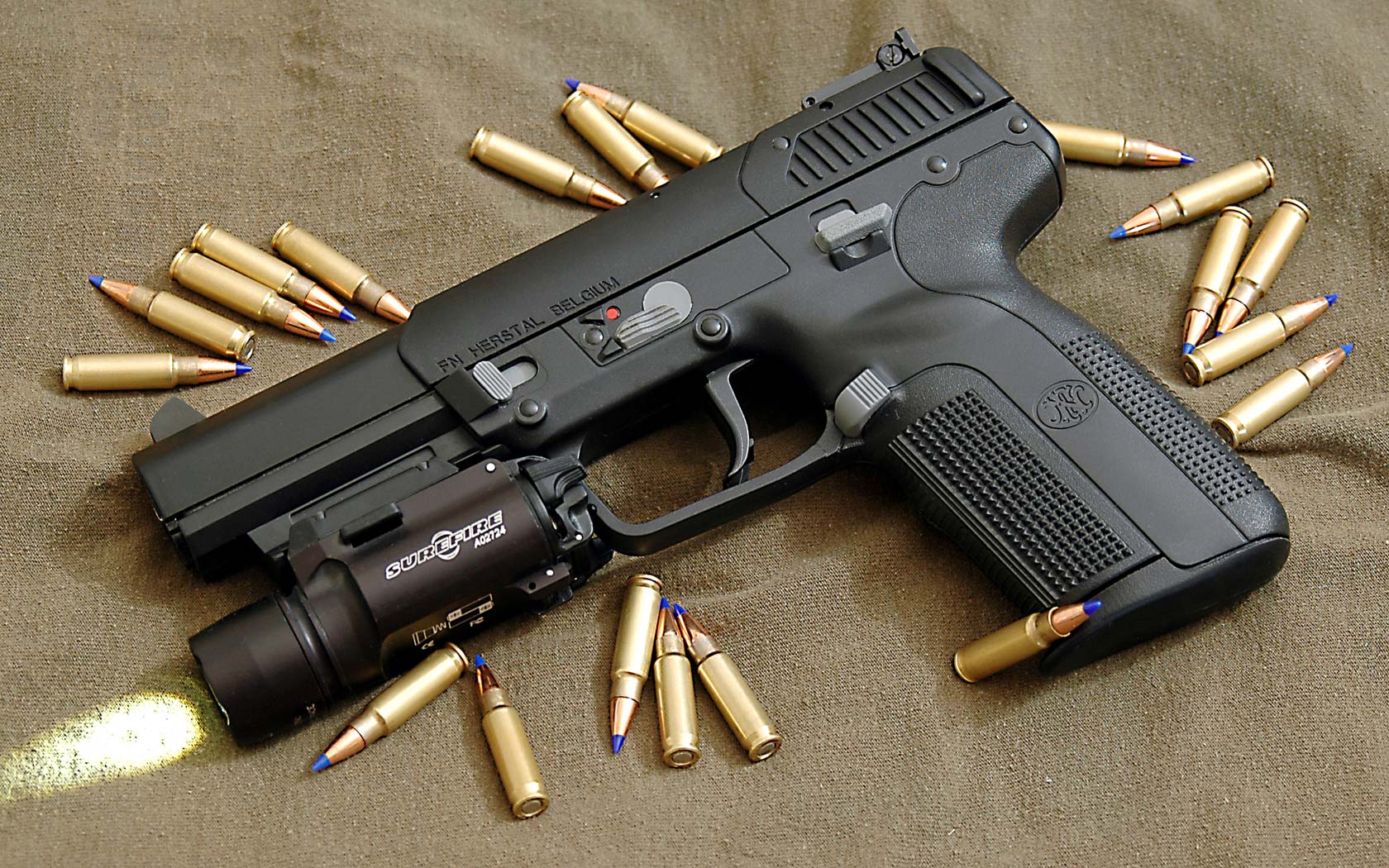
A typical day starts early, often before the sunrise. The first order of business is to review the plan for the day. This could involve a mix of outdoor shoots and studio work, depending on the assignment. A pistol photographer must ensure all equipment is ready: lenses cleaned, batteries charged, and memory cards formatted. Alongside this technical preparation, inspiration is drawn from various sources, including books, online platforms, and other photographers’ works, to refine the visual approach for the day.
Choosing the right location is crucial. Whether it’s a scenic outdoor setting or a controlled studio environment, the backdrop can significantly influence the final image. Factors such as lighting, weather, and the surrounding atmosphere must be considered. For outdoor shoots, timing is essential; golden hour, the period shortly after sunrise and before sunset, provides the most flattering light for photography.
Selecting the Right Gear

Gear selection is another key aspect of a pistol photographer’s day. Different types of lenses can produce various effects—macro lenses for close-up details of the gun’s features, wide-angle lenses for environmental portraits, or telephoto lenses for capturing action shots from a distance. Additionally, using a sturdy tripod can enhance stability and precision, especially in low-light conditions.
Communication with clients and subjects is vital to ensure that everyone is on the same page regarding the goals of the shoot. Setting expectations not only builds rapport but also guarantees a smoother workflow. Understanding the story behind each firearm—the craftsmanship, history, and personal significance to the owner—can help craft a more compelling narrative in the photographs.
On Location: The Art of Shooting
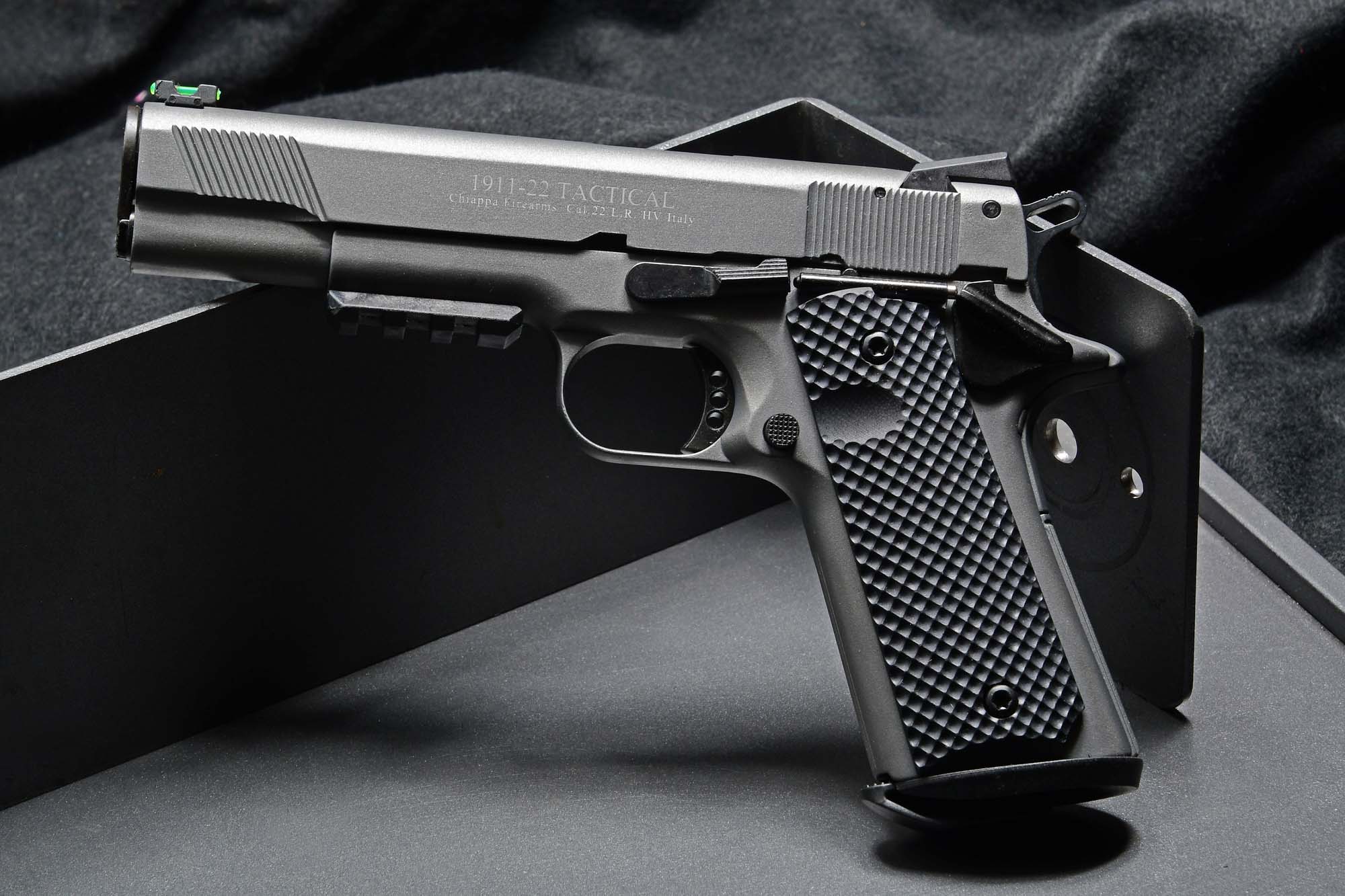
Once on location, the real magic begins. The pistol photographer must navigate various elements to capture the perfect shot. This involves adjusting angles, experimenting with depth of field, and considering composition. The rule of thirds is often applied to create balanced images, while leading lines can draw the viewer’s eye towards the pistol.
Utilizing natural props—like leather gloves, wooden tables, or textured backgrounds—can enhance the visuals. It’s important to showcase the firearm not just as an object but as a piece of art. Each shot should tell a story, reflecting the personality of the owner and the design of the pistol.
Post-Processing: Bringing Photos to Life
After an exhilarating day of capturing images, the work is far from over. The post-processing phase begins once the photographer returns home. This involves selecting the best shots and using software like Adobe Lightroom or Photoshop to enhance the images. Adjustments in exposure, contrast, and color correction help to bring the images to life and align them with the photographer’s vision.
Adding subtle effects, like vignetting or sharpening, can create a more polished look while ensuring the firearms remain the focal point. The editing process is subjective; each photographer has their style, whether it leans towards vibrant colors or muted tones. The key is to maintain a consistent aesthetic across the portfolio that speaks to the target audience.
Inspiring Others Through Visual Storytelling
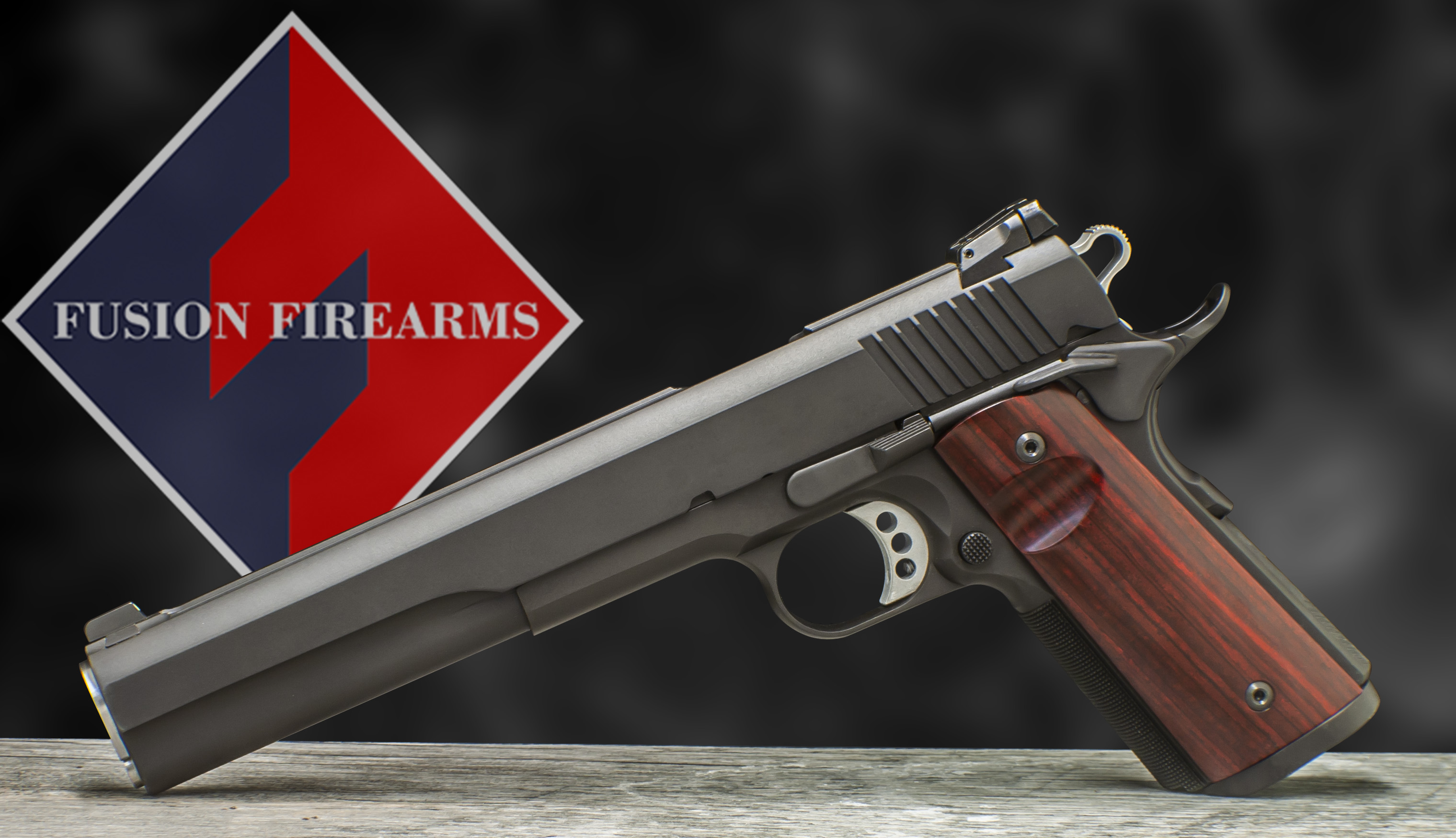
As a pistol photographer, the ultimate goal is to inspire others through visual storytelling. Sharing these images on platforms like Instagram, specialized forums, and photography blogs helps build a community of enthusiasts who appreciate the artistry behind each shot. Engaging with followers, answering questions, and providing insights into the photography process fosters a sense of connection and inspires aspiring photographers.
Networking with other photographers and participating in photography exhibitions or competitions can also enhance visibility and credibility within this niche. Collaboration with firearm manufacturers or local gun ranges can lead to unique opportunities for themed photoshoots, further enriching the portfolio.
Final Thoughts: The Passion Behind the Lens
A day in the life of a pistol photographer is not just about taking pictures; it’s about capturing the essence of craftsmanship, history, and personal stories. This niche requires dedication, creativity, and a keen eye for detail. From early morning preparations to the final touches in post-processing, every step is a labor of love aimed at showcasing the beauty and complexity of pistols.
For those interested in pursuing this path, it’s essential to remain passionate, stay updated with the latest photography trends, and continually seek inspiration. The world of pistol photography is both challenging and rewarding, offering endless opportunities to create breathtaking visuals that honor the art of firearms.