
Stained glass windows have long been revered for their beauty and profound spiritual significance, particularly in Christian architecture. These stunning works of art do more than simply enhance the aesthetic of a space; they narrate stories from the Bible, bringing the life of Jesus Christ vividly to those who gaze upon them. From cathedrals to local churches, stained glass windows serve as a visual gospel, educating and inspiring congregants and visitors alike.
The Artistic Techniques Behind Stained Glass

The craft of stained glass-making is both an art and a science. Artisans use colored glass pieces, which are assembled and held together by lead came or copper foil. The vibrant colors are often achieved through the addition of metallic oxides during the glass-making process. Each piece is then carefully cut and arranged to create intricate designs depicting biblical narratives.
Much of the charm of stained glass windows lies in the interplay of light and color. When sunlight filters through these windows, it transforms the interior space, casting a kaleidoscope of colors onto the walls and floors. This not only enhances the ambiance of a sacred space but also creates a divine atmosphere that resonates deeply with the worshippers.
Historical Significance of Stained Glass Windows in Christianity
Stained glass windows have a rich history that dates back to the early Christian period, with significant advancements occurring during the Gothic era. Churches and cathedrals utilized these windows not just for decoration but as didactic tools. At a time when many were illiterate, stained glass served to convey the stories of Jesus and the saints visually. Each panel often depicted key events, such as the Nativity, Crucifixion, and Resurrection, ensuring that the teachings of Christ reached all members of the community.
Some of the most famous stained glass windows can be found in the cathedrals of Europe, such as the Notre Dame in Paris and the Chartres Cathedral. These windows are not merely artistic creations; they are historical artifacts that tell the story of faith, artistry, and community devotion over centuries.
Symbolism and Themes in Stained Glass Windows
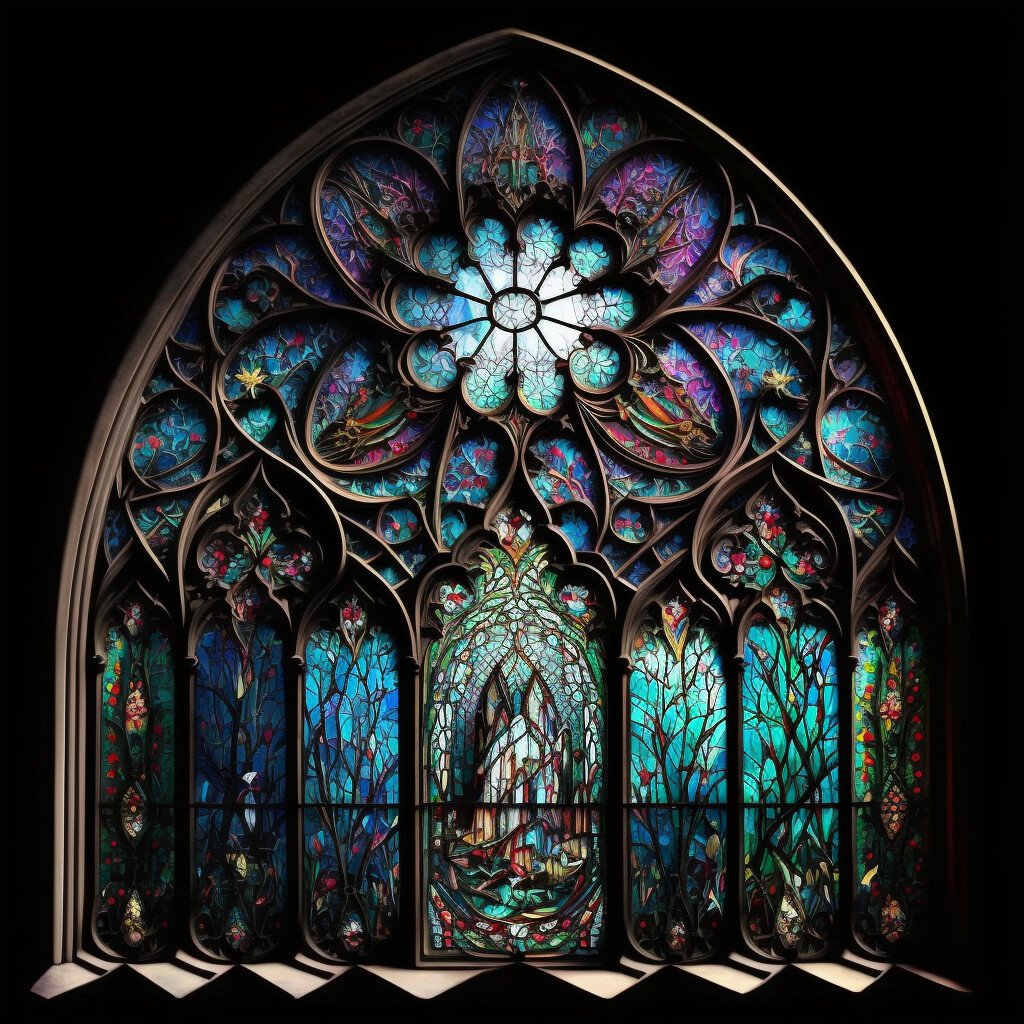
Stained glass windows often incorporate rich symbolism that reflects theological concepts. Colors and images have specific meanings; for instance, blue is commonly associated with heaven and divinity, while red symbolizes the blood of Christ and martyrdom. Through these symbols, artisans convey profound messages about the life and teachings of Jesus.
- Narrative Panels: Many windows depict sequential events in Jesus’s life, such as his baptism, miracles, and teachings. Each scene invites contemplation and reflection.
- Saints and Angels: In addition to depicting Jesus, stained glass often features saints and angels, further enriching the spiritual narrative and connecting worshippers with the broader Christian tradition.
- Nature and Creation: Elements of nature, such as flowers and animals, are frequently included, symbolizing God’s creation and the beauty of the world.
Choosing Stained Glass Windows for Personal Spaces
While stained glass windows are a hallmark of public and sacred buildings, they can also bring beauty and inspiration into personal spaces. Many homeowners are now incorporating stained glass as decorative elements in their homes, ranging from front doors to room dividers. When selecting stained glass for personal use, consider the following:
- Color Palette: Think about how the colors of the stained glass will complement your existing decor. Rich reds and greens can create a more traditional look, while softer blues and whites may lend a modern touch.
- Theme and Imagery: Choose a design that resonates with your personal beliefs and aesthetics. Whether it’s a depiction of a biblical scene or abstract forms, ensure it is something that speaks to you.
- Light and Placement: Consider where the stained glass will be placed to maximize the light effects. Windows that receive ample sunlight will showcase the colors beautifully, transforming your space.
Incorporating Stained Glass in Different Settings

Stained glass windows can find a place in various settings beyond churches and cathedrals. Here are some ideas:
- Home Decor: Use stained glass panels as decorative accents in doors or as art pieces on walls to create focal points in rooms.
- Office Spaces: Incorporate stained glass in office design to promote a calming environment and inspire creativity.
- Community Centers: Consider installing stained glass windows in community centers or libraries, where the art can inspire and educate visitors about the cultural heritage of stained glass art.
Modern Interpretations of Stained Glass
As design trends evolve, so do interpretations of stained glass art. Contemporary stained glass artists experiment with materials and styles, incorporating modern themes alongside traditional techniques. This innovation keeps the art form relevant and allows it to reach new audiences. From abstract designs to thematic interpretations, modern stained glass continues to inspire and engage.
In addition to traditional stained glass, new technologies such as digital printing on glass offer exciting possibilities for artistic expression. These advancements enable artists to create intricate designs that were previously unattainable, broadening the scope of what stained glass can represent.
Final Thoughts on Stained Glass Windows
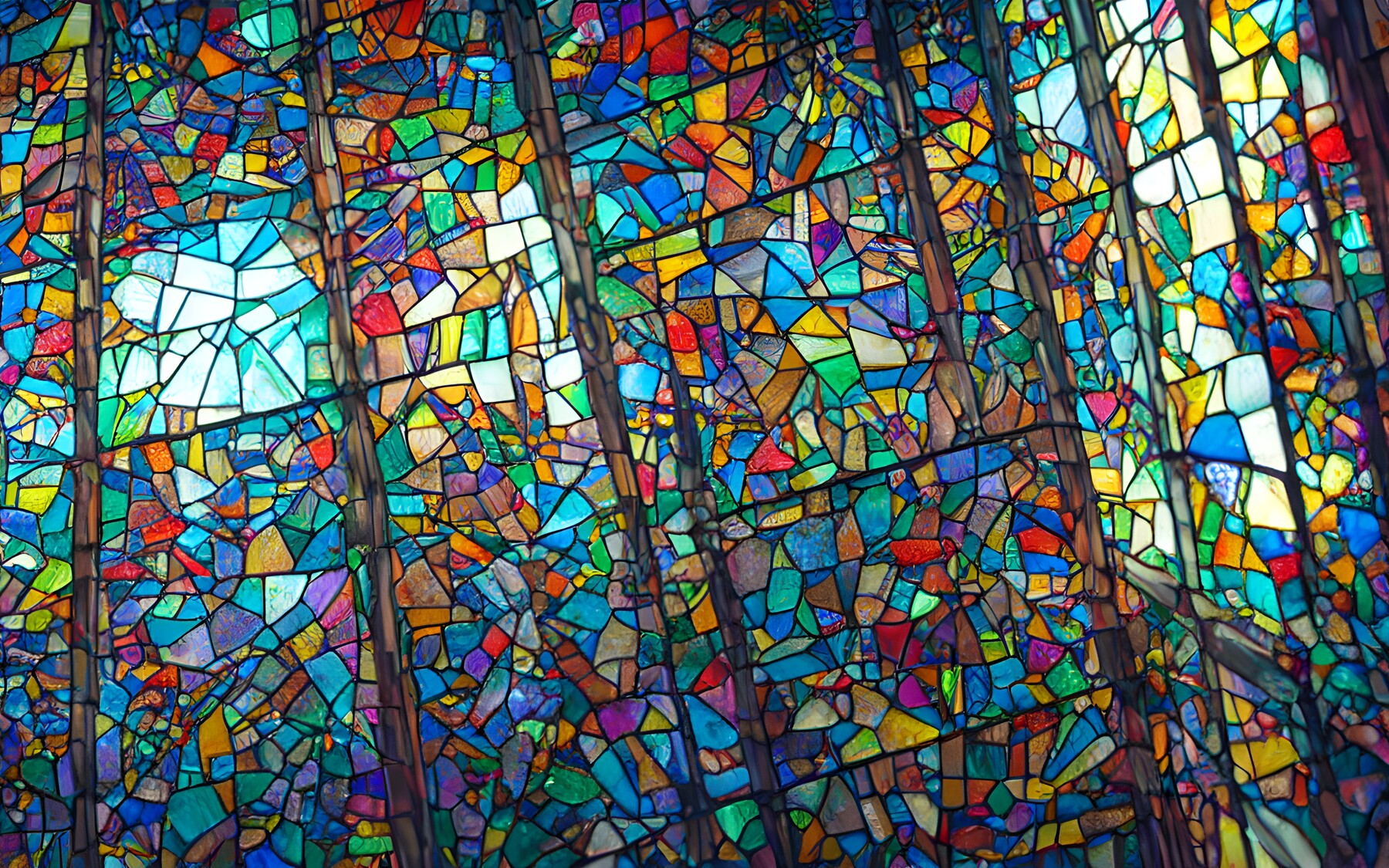
Stained glass windows serve as a beautiful reminder of the stories of Jesus Christ and the teachings of Christianity. They are not just decorative elements; they are windows into the divine, illuminating sacred stories and enhancing spiritual experiences. Whether in grand cathedrals or personal spaces, stained glass has the power to uplift and inspire, creating a glimpse of heaven on Earth through its vibrant colors and intricate designs.