
Watercolor painting is a vibrant and expressive art form that relies heavily on the type of paper used. The texture of watercolor paper can greatly affect the outcome of your artwork, influencing both the application of paint and the final appearance. With various options available on the market, choosing the right watercolor texture paper can be overwhelming. This article will explore different types of watercolor texture papers, their characteristics, and help you determine which one is right for you.
Understanding Watercolor Texture
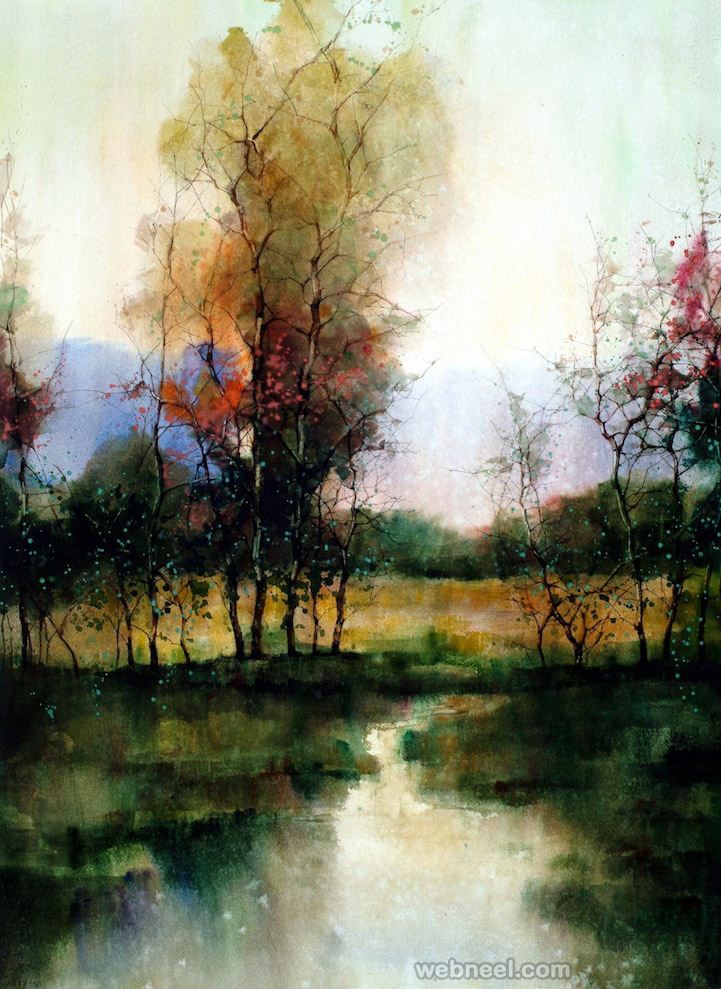
Watercolor texture paper comes in different surfaces, which can be broadly categorized into three types: rough, cold-pressed (noted as NOT), and hot-pressed (noted as HP). Each type of surface interacts differently with water and pigment, leading to unique results in your artwork.
Rough texture paper has a pronounced texture that can create dramatic effects with watercolor. The peaks and valleys of the paper absorb water differently, allowing for more vibrant color mixing and dynamic brush strokes. This type of paper is ideal for artists who enjoy expressive, bold work.
Cold-Pressed vs. Hot-Pressed
Cold-pressed paper, or NOT paper, features a medium texture that is versatile for various watercolor techniques. It holds enough water to allow blending while still providing some texture for interesting effects. This makes cold-pressed paper a popular choice among watercolorists, as it accommodates both fine detail work and broad washes.
On the other hand, hot-pressed paper has a smooth surface that is perfect for detailed work, such as illustrations and intricate designs. Because of its flat surface, it doesn’t hold water in the same way as cold-pressed or rough papers, making it less suitable for large washes. However, for artists focused on fine lines and precision, hot-pressed paper is often the go-to choice.
Factors to Consider When Choosing Watercolor Texture Paper
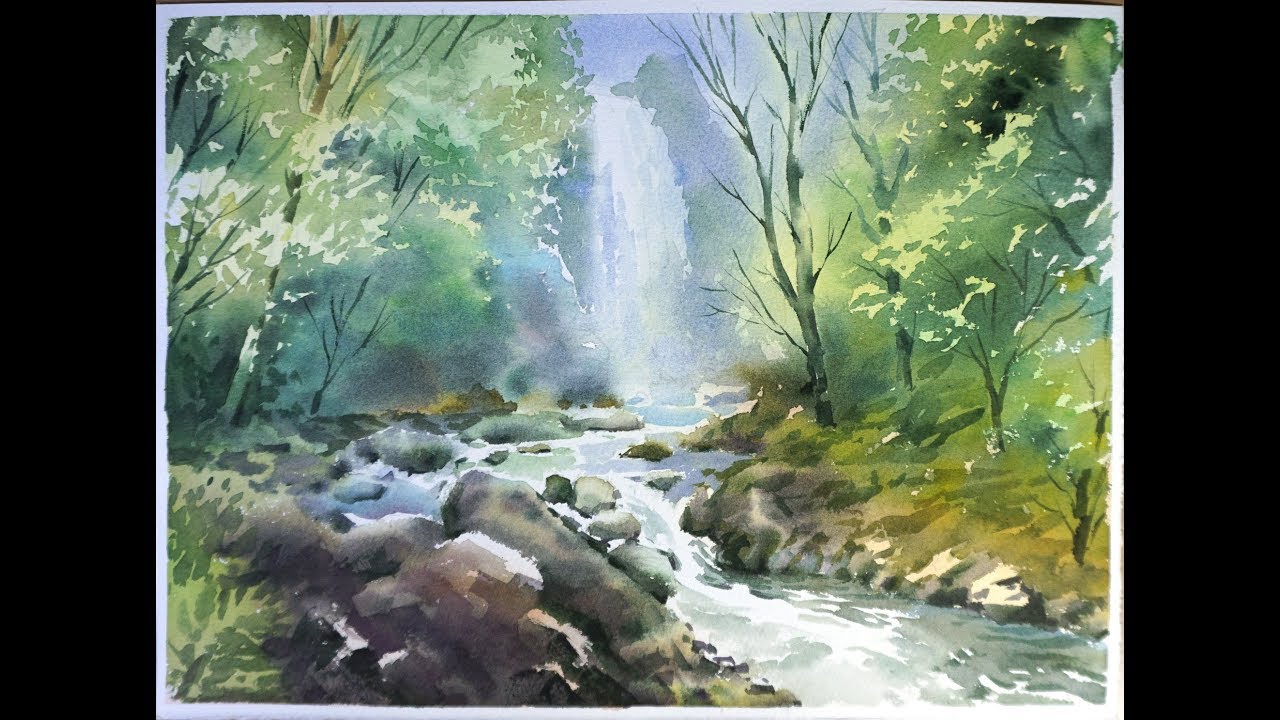
When selecting watercolor texture paper, consider the following factors:
- Technique: Your painting style will largely dictate which paper is best suited for you. For loose, free-flowing styles, rough or cold-pressed paper might be preferable. For more detailed work, opt for hot-pressed paper.
- Pigment Type: Different watercolor paints can behave differently on various surfaces. Some pigments require more water, while others are more opaque. Testing your chosen paints on different papers can provide insight into what works best.
- Weight: Watercolor paper typically comes in different weights, measured in grams per square meter (gsm). Heavier paper (300 gsm) can withstand more water and is less likely to buckle, making it ideal for heavy washes. Lighter papers (200 gsm) can be more affordable but may not hold up under intense use.
Popular Brands and Recommendations
Several brands have established themselves in the realm of watercolor texture papers. Here are some recommendations:
- Arches: Known for its high-quality, 100% cotton paper, Arches offers a range of textures including rough, cold-pressed, and hot-pressed options. It’s highly regarded for its durability and ability to absorb water.
- Fabriano: This brand offers excellent quality at a more accessible price point. Their cold-pressed and hot-pressed papers provide a good balance of texture and smoothness, making them suitable for artists at various skill levels.
- Canson: Canson offers a wide range of watercolor papers at a budget-friendly price. Their Montval series, particularly the cold-pressed papers, is popular among beginners.
Experimenting with Watercolor Papers

To find the perfect paper for your needs, it’s essential to experiment. Purchase small pads or sample sheets from different brands and try them out with your preferred watercolor techniques. Pay attention to how the paint flows, how the colors lift, and how well the paper holds up to water. Keep notes on your findings, as this will help you make informed decisions in the future.
Additionally, consider joining local art classes or workshops where you can try various papers and techniques alongside experienced artists. This hands-on experience can greatly enhance your understanding and appreciation of how paper texture impacts your watercolor painting.
Storing and Caring for Your Watercolor Papers
Once you’ve chosen your watercolor texture paper, it’s crucial to store and care for it properly. Keep your papers in a cool, dry place away from direct sunlight to prevent warping and fading. When using loose sheets, consider keeping them flat or in a protective portfolio to avoid creases.
For finished works, ensure that they are completely dry before framing or storing. Using archival-grade materials for framing will help preserve the color and texture of your artwork for years to come.
Finding Inspiration for Your Watercolor Artwork
With the right watercolor texture paper in hand, it’s time to unleash your creativity! Explore various themes and subject matter that inspire you. Whether it’s landscapes, portraits, or abstract designs, the possibilities are endless. Look for inspiration from nature, photography, or even your daily surroundings.
Participating in online communities or social media groups can also provide a wealth of inspiration. Share your work, seek feedback, and engage with other artists to expand your artistic horizons.