
Hot springs are some of the most beautiful natural wonders on Earth, offering breathtaking views and soothing experiences. When venturing into these geothermal gems, capturing their beauty through photography becomes a priority for many adventurers. Whether you’re a professional photographer or a hobbyist, knowing how to effectively document your hot springs adventures will not only preserve memories but also create stunning visuals. In this article, we’ll explore essential photography tips tailored for hot springs, ensuring your pictures are as vibrant and inviting as the locations themselves.
Understanding Hot Springs: The Perfect Setting
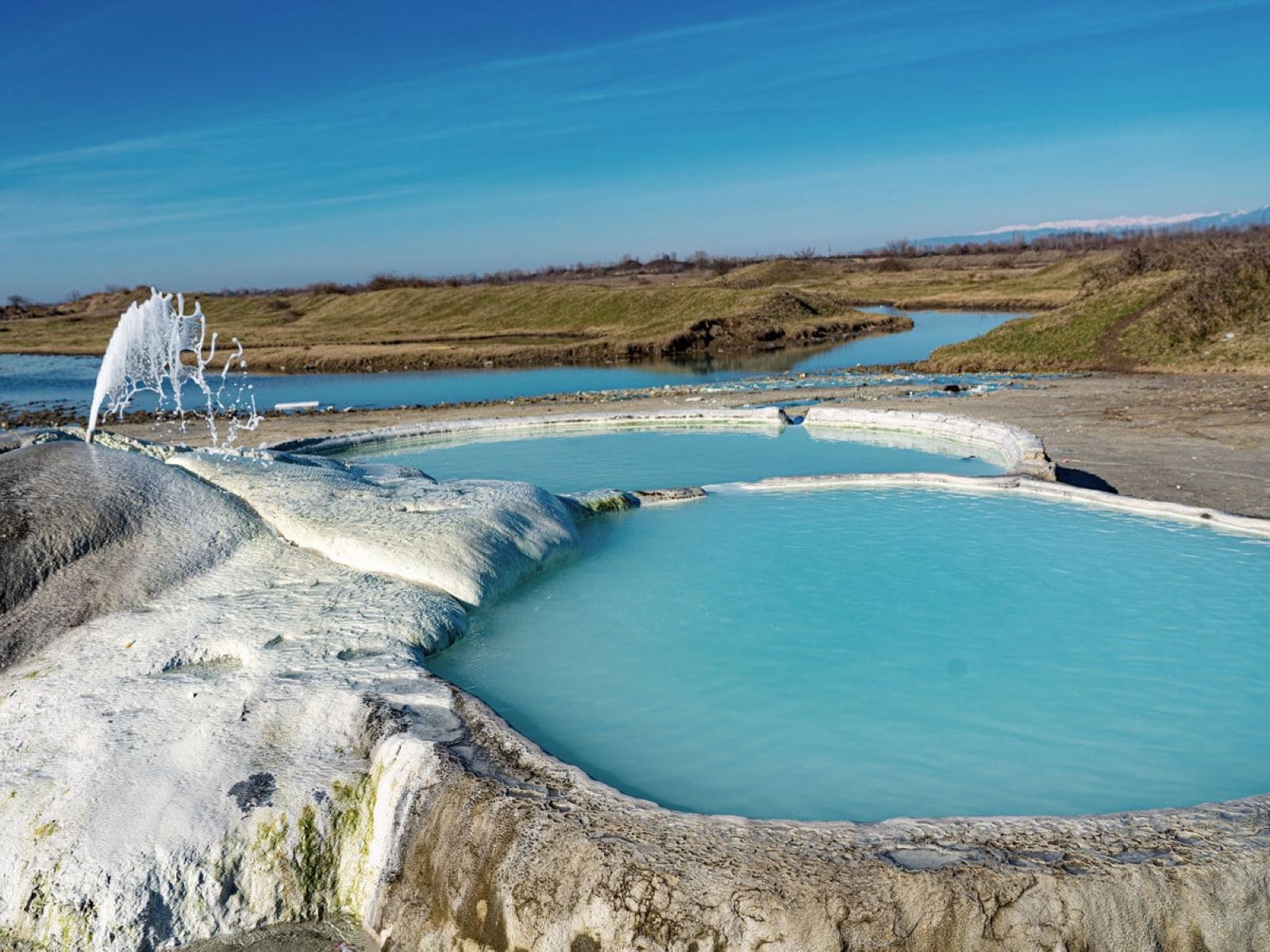
One of the key elements of photographing hot springs is understanding their unique characteristics. Hot springs can vary greatly in color, temperature, and surrounding landscapes. The water often presents a brilliant palette of blues, greens, and even yellows or reds due to mineral deposits. When planning your shoot, consider the time of day. Early morning or late afternoon often provides the best light, enhancing the natural colors of the springs.
Additionally, the surrounding environment plays a crucial role in your composition. From lush greenery to rugged mountains, the contrasting elements can add depth to your photographs. Observing how the steam rises from the water and interacts with the sunlight can create stunning effects and add a mystical quality to your images.
Essential Gear for Capturing Hot Springs
While a smartphone can suffice for casual snapshots, investing in quality equipment can significantly enhance your hot springs photography. Here are some essential items to consider:
- Camera: A DSLR or mirrorless camera allows for better control over settings and image quality.
- Tripod: Using a tripod will help stabilize your camera, especially in low-light conditions, for sharper images.
- Lenses: A wide-angle lens is perfect for capturing the entire landscape, while a macro lens can be used to focus on the intricate details of the mineral deposits.
- Filters: A polarizing filter can help reduce glare from the water’s surface, while a neutral density filter allows for longer exposures, creating smooth water effects.
Remember also to carry extra batteries and memory cards, as you won’t want to miss any opportunities for stunning captures.
Techniques for Stunning Shots
Once you have your gear ready, it’s time to focus on techniques to elevate your photography. Here are a few strategies to keep in mind:
- Composition: Use the rule of thirds to create balanced images. Position key elements along the intersecting lines to draw the viewer’s eye.
- Depth of Field: Experiment with depth of field to isolate subjects against a blurred background or capture as much detail as possible in both foreground and background.
- Long Exposures: For dynamic water scenes, utilize long exposure techniques. This creates a smooth, ethereal look to flowing water, enhancing the tranquil feel of hot springs.
These techniques will help you capture the essence of hot springs and the serene atmosphere they provide.
Lighting Considerations for Hot Springs Photography
Lighting is one of the most significant aspects of photography. Natural light can greatly enhance the visual appeal of your hot springs pictures. The golden hour—shortly after sunrise or before sunset—provides warm tones that can transform your photos. The soft light during these times can reduce harsh shadows and create vibrant colors.
Cloudy days can also be beneficial, as the diffused light minimizes glare and allows the colors of the springs to shine through without the risk of overexposure. However, if you’re shooting in bright sunlight, look for shaded areas to prevent direct light from washing out your images. If shooting in the middle of the day, consider using reflectors to bounce light back into the shadows.
Editing Your Hot Springs Photos

Once you’ve captured your hot springs adventures, post-processing plays a crucial role in enhancing your images. Software like Adobe Lightroom or Photoshop can help you fine-tune your photos to perfection. Here are some common edits you might consider:
- Adjusting Exposure: Enhancing brightness and contrast can make your images pop.
- Color Correction: Ensure that the colors in your image reflect the natural beauty of the hot springs.
- Sharpening: Apply sharpening to highlight the details in your images.
A well-edited photo can take your hot springs pictures to a whole new level, allowing you to share the magic of the moment with others.
Inspiration for Hot Springs Photography
To get the most out of your hot springs photography, look for inspiration in various sources. Social media platforms like Instagram and Pinterest are overflowing with breathtaking hot spring photography. Pay attention to different styles, compositions, and editing techniques. You can also explore photography blogs or forums dedicated to travel and nature photography to gather ideas.
Another great way to gain inspiration is by visiting different hot springs. Each location has its unique charm, and experiencing them firsthand can spark creative ideas for your photography. Take note of the unique qualities of each spring and how they can be showcased in your images.
Final Thoughts on Capturing Hot Springs
Photographing hot springs is not just about capturing images; it’s about encapsulating the tranquillity and beauty of nature. With the right techniques, gear, and a keen eye for composition, you can create stunning hot springs pictures that transport viewers into those serene environments. Remember to enjoy the process, as the adventure itself is just as beautiful as the photographs you’ll take. Happy shooting!