
When it comes to animated television shows, few have made a mark quite like SpongeBob SquarePants. Celebrated for its quirky humor and memorable characters, the show has become a staple in popular culture since its debut in 1999. One of the standout features of this beloved series is SpongeBob’s ability to express a wide range of emotions through his often hilariously ugly faces. These expressions not only contribute to the humor but also showcase the intricate creative process behind the animation. In this article, we’ll delve into the delightful world of SpongeBob’s ugliest faces and the artistry that brings them to life.
The Art of Expression in Animation
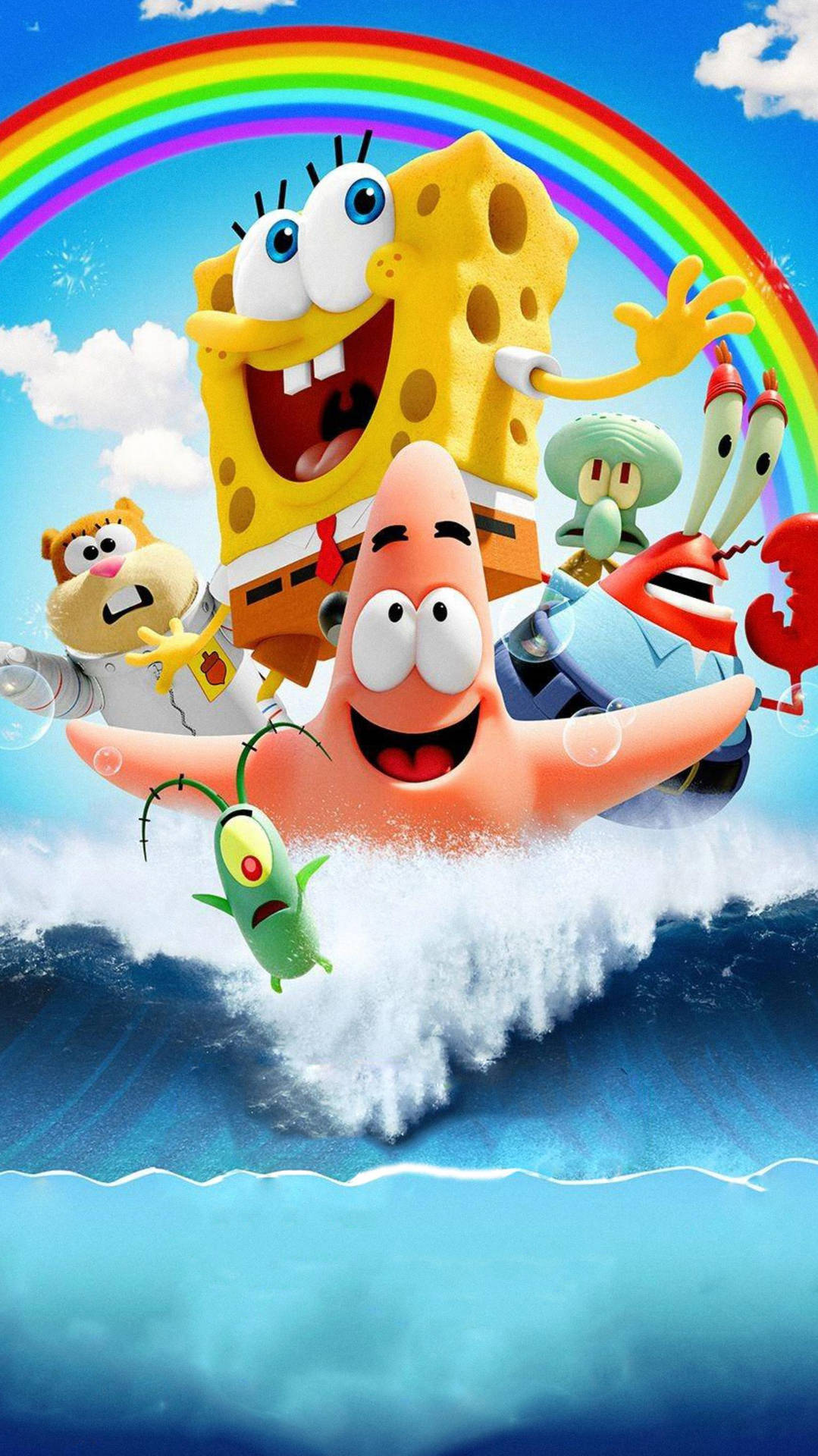
Animation is a unique medium that allows for exaggerated expressions and movements, making it a perfect canvas for humor. In SpongeBob SquarePants, the creative team utilizes a range of techniques to craft characters that resonate with audiences. From SpongeBob’s wide-eyed innocence to his extreme facial contortions, each ugly face serves a purpose, embodying the character’s emotions in a way that’s both funny and relatable.
When animators create these faces, they often focus on key aspects such as shape, color, and timing. The right combination can amplify the comedic effect, making audiences laugh out loud. The creative process often involves brainstorming sessions where writers and animators collaborate to explore different facial expressions, ensuring that each scene captures the intended humor.
The Inspiration Behind SpongeBob’s Ugly Faces
The inspiration for SpongeBob’s iconic faces often stems from real-life observations and exaggerated caricatures. The show’s creator, Stephen Hillenburg, drew on his experiences as a marine biologist and his love for art to craft a world filled with vibrant characters. The ugly faces are meant to be over-the-top, reflecting how children often perceive emotions in a simplified, exaggerated way.
Animating these expressions requires a keen understanding of both physical comedy and psychology. For instance, a face that is scrunched up in anger can be just as funny as one dripping with sadness, as long as the timing is right. The absurdity of the expressions often resonates with audiences, tapping into a universal understanding of emotions.
Memorable Moments: Highlighting Iconic Ugly Faces

Several episodes feature some of the most memorable ugly faces that fans have come to love. Moments like when SpongeBob is devastated over losing a Krabby Patty or when he is comically shocked at an unexpected turn of events showcase the diversity of his expressions. These scenes are not just for laughs; they also deepen the audience’s connection to the characters.
Additionally, the sheer volume of unique expressions allows for a rich tapestry of humor throughout the series. For instance, the infamous “Ripped Pants” episode features SpongeBob experiencing extreme embarrassment and sadness, leading to a series of faces that are both ugly and hilarious. The faces are a visual language of their own, telling a story without words.
Technical Aspects of Animation
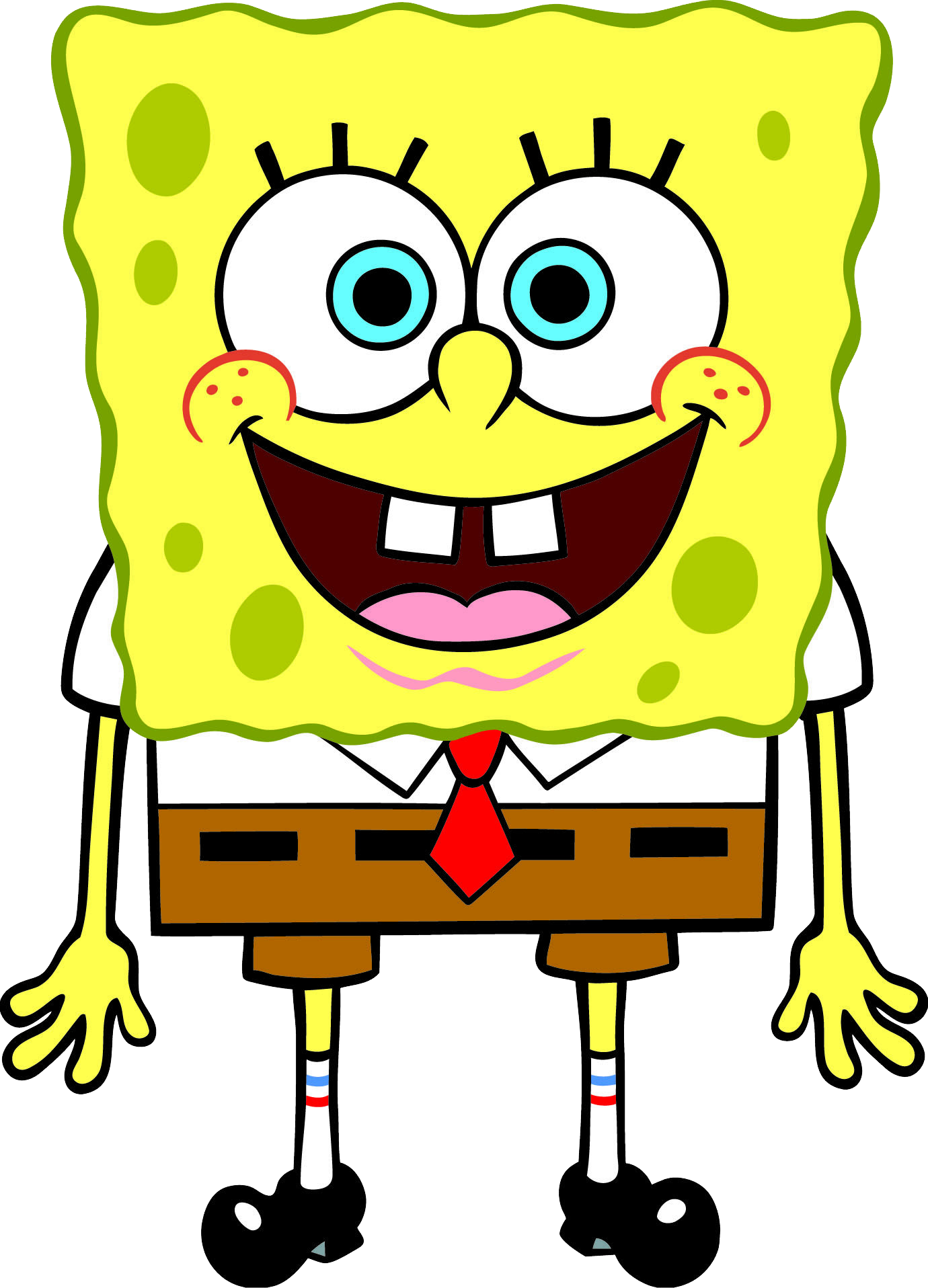
The technical aspect of bringing these ugly faces to life involves a lot of artistry and skill. Animators utilize software like Adobe Animate and Toon Boom Harmony, which allow for precise control over character movements and expressions. Each face is meticulously crafted frame by frame, ensuring consistency and fluidity in the animation.
Moreover, the color palette plays a significant role in enhancing the emotional impact of the faces. Bright colors often accompany SpongeBob’s happy expressions, while darker tones may be used for sadder moments. This thoughtful approach to color makes the scenes more engaging and visually stimulating.
The Impact of Humor on Audience Engagement
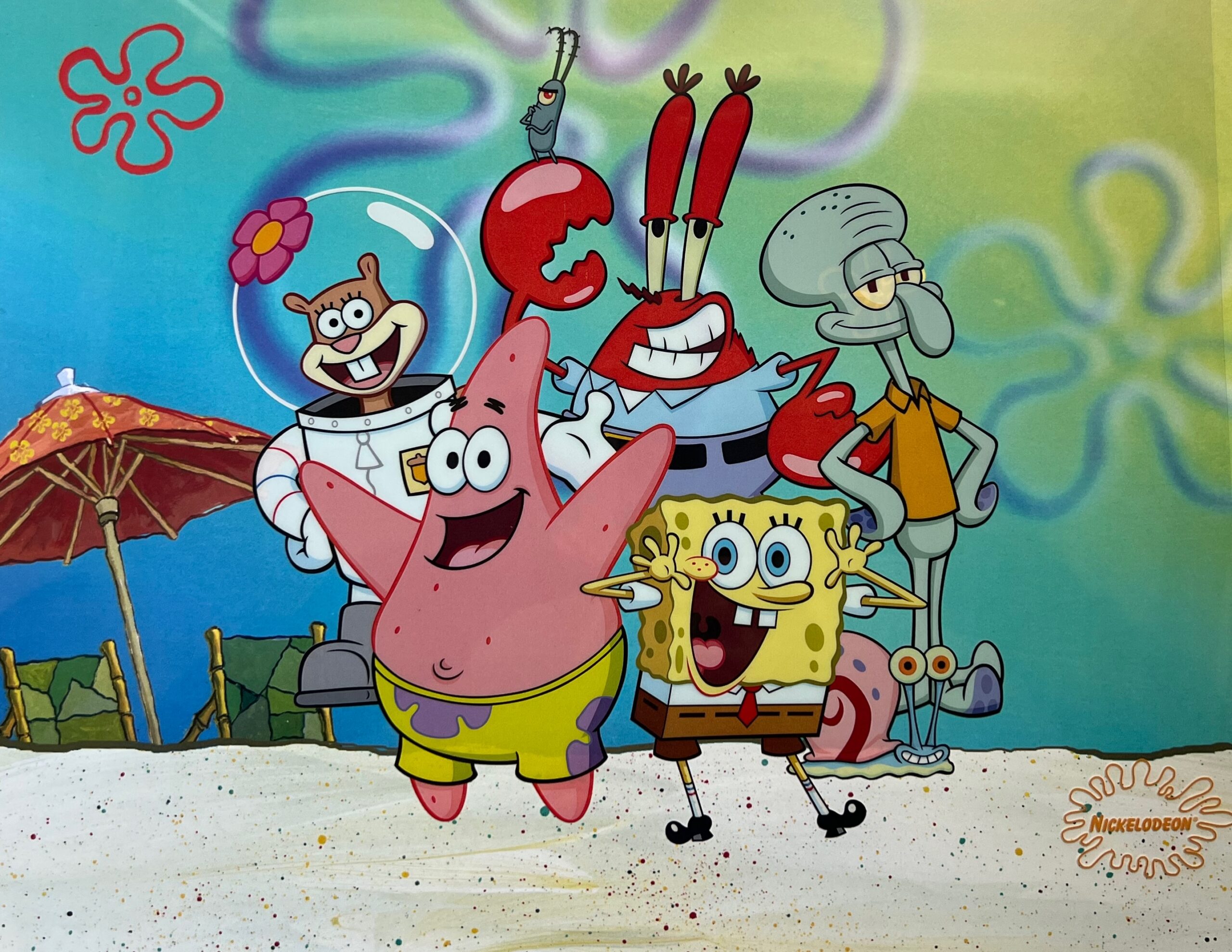
The humor derived from SpongeBob’s ugly faces contributes significantly to audience engagement. Laughter is a powerful emotional response, and the show’s creators have mastered the art of timing and delivery. The ability to invoke laughter through visual gags is a testament to the creative genius behind the show.
Moreover, these ugly faces have become a cultural phenomenon, inspiring countless memes, fan art, and even merchandise. This has solidified SpongeBob’s place in pop culture as not just a show but a shared experience that spans generations.
Designing Wallpaper Inspired by SpongeBob’s Ugly Faces
For fans looking to incorporate the fun and whimsy of SpongeBob’s ugly faces into their digital space, designing wallpapers can be a fantastic creative outlet. Here are some tips to get started:
- Choose Vibrant Colors: Utilize the bright, lively colors associated with the show to create an eye-catching background.
- Incorporate Expressions: Select your favorite ugly faces and integrate them into the design. This will add a personal touch and invoke nostalgia.
- Mix Patterns and Textures: Combine different patterns inspired by the underwater theme of Bikini Bottom to create depth in your design.
- Consider Different Platforms: Make sure your wallpaper fits well on various devices, adjusting dimensions for desktops, tablets, and phones.
By experimenting with these elements, fans can create unique and dynamic wallpapers that celebrate the humor and artistry of SpongeBob SquarePants.
In the end, the ugly faces of SpongeBob SquarePants do much more than elicit laughter. They embody the creativity and dedication of the animation team, showcasing the complex interplay between humor and emotion. As fans continue to enjoy these iconic moments, the creative process behind them remains a testament to the power of animation in bringing joy to audiences around the world.