
Watercolor painting has long been admired for its ability to create soft, fluid effects that evoke emotion and beauty. As a designer or artist, understanding how to manipulate watercolor textures can elevate your work, whether you aim to produce eye-catching wallpapers, backgrounds, or standalone artworks. In this article, we will dive deep into the different types of watercolor texture paper and how they affect the final output of your designs.
Understanding Watercolor Texture Paper

The choice of watercolor texture paper is crucial to achieving the desired effect in your artwork. Watercolor paper comes in various textures, weights, and finishes, which can significantly influence the visual outcome. The primary types of watercolor paper include:
- Cold-Pressed (Not) Paper: This type has a textured surface, making it ideal for capturing detail and creating depth. It is known for being versatile and is often preferred by both beginners and professionals.
- Hot-Pressed (Smooth) Paper: This paper features a smooth surface that allows for fine detail and sharp lines. It is excellent for techniques requiring precision, such as illustrations or detailed botanical studies.
- Rough Paper: As the name suggests, this paper has a rough texture that creates bold and dramatic effects. It’s perfect for expressive styles and can add a unique flair to your designs.
Each type of paper interacts differently with water and pigments, leading to varied textures and effects. Experimenting with these different types can help you discover what works best for your specific project.
Choosing the Right Watercolor Techniques
Once you’ve selected the appropriate watercolor texture paper, the next step is to experiment with various techniques to enhance your design. Here are some popular watercolor techniques to consider:
- Wet-on-Wet: This technique involves applying wet paint onto a wet surface, allowing colors to merge and bleed seamlessly. It creates soft, dreamy effects ideal for backgrounds or abstract designs.
- Wet-on-Dry: By applying wet paint onto a dry surface, you can achieve sharper edges and more defined shapes. This technique is excellent for creating focal points in your artwork.
- Salt Technique: Sprinkling salt on wet paint creates texture as the salt absorbs the water and pigment, resulting in unique patterns. This method is perfect for creating interesting backgrounds or adding depth to a design.
Experimenting with these techniques can lead to surprising results and unique textures that make your designs stand out.
Exploring Color Palettes and Combinations
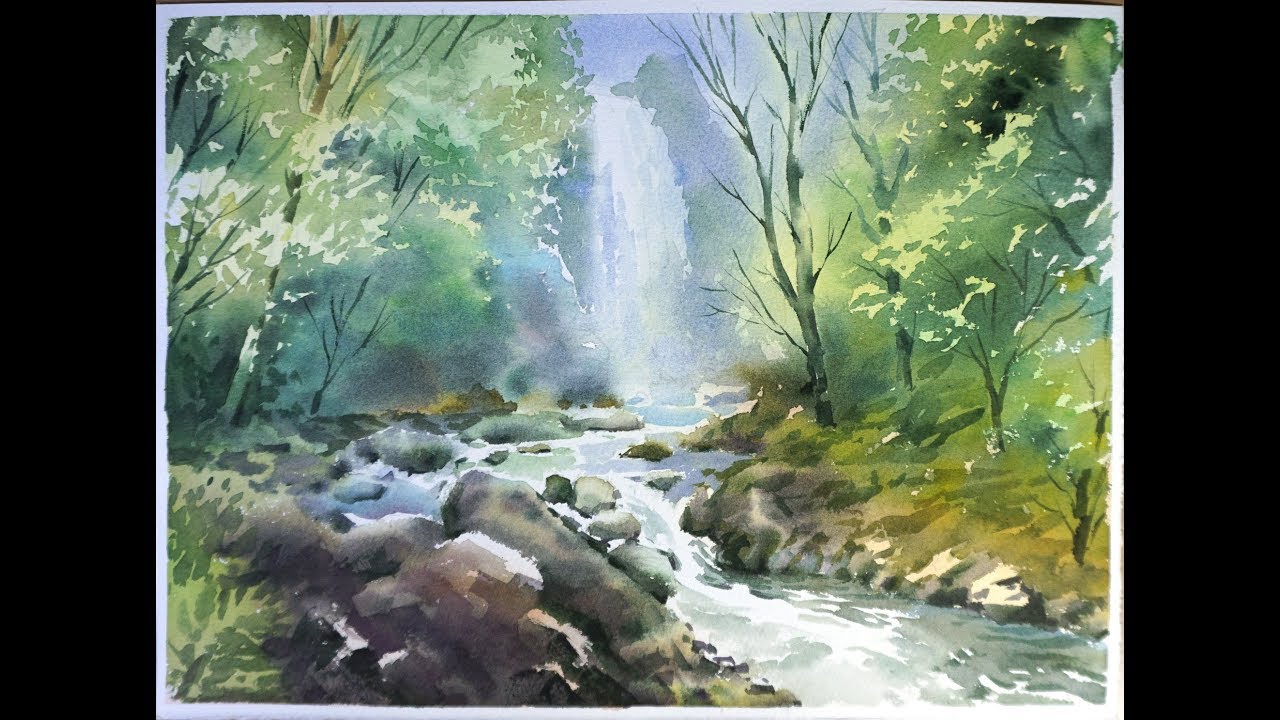
The color palette you choose can significantly influence the mood and atmosphere of your watercolor designs. Here are some tips for selecting and combining colors effectively:
- Analogous Colors: These colors are adjacent to each other on the color wheel and create a harmonious look. Using analogous colors can result in a peaceful and cohesive design.
- Complementary Colors: Colors opposite each other on the color wheel, such as blue and orange, create a vibrant contrast. Utilizing complementary colors can make your designs pop and draw attention.
- Monochromatic Schemes: Using various shades and tints of a single color can yield a sophisticated and elegant design. This approach allows for subtlety in texture while maintaining visual interest.
Don’t shy away from experimenting with bold color combinations that evoke specific emotions or themes in your work.
Incorporating Watercolor Textures into Digital Designs
In the digital design realm, incorporating watercolor textures can add a unique touch to your projects. Here are some ways to integrate these textures effectively:
- Backgrounds: Watercolor textures make stunning backgrounds for websites, posters, and social media graphics. They can add depth and dimension, enhancing the overall aesthetic of your project.
- Overlays: Use watercolor textures as overlays on images to create a layered effect. This technique can help to unify the visual elements of your design.
- Custom Brushes: Many digital painting programs allow you to create custom brushes using watercolor textures. This feature enables you to paint directly with watercolor effects, giving you the freedom to explore and manipulate textures digitally.
By leveraging digital tools and techniques, you can bring the charm of traditional watercolor into your digital designs.
Finding Inspiration for Your Watercolor Projects
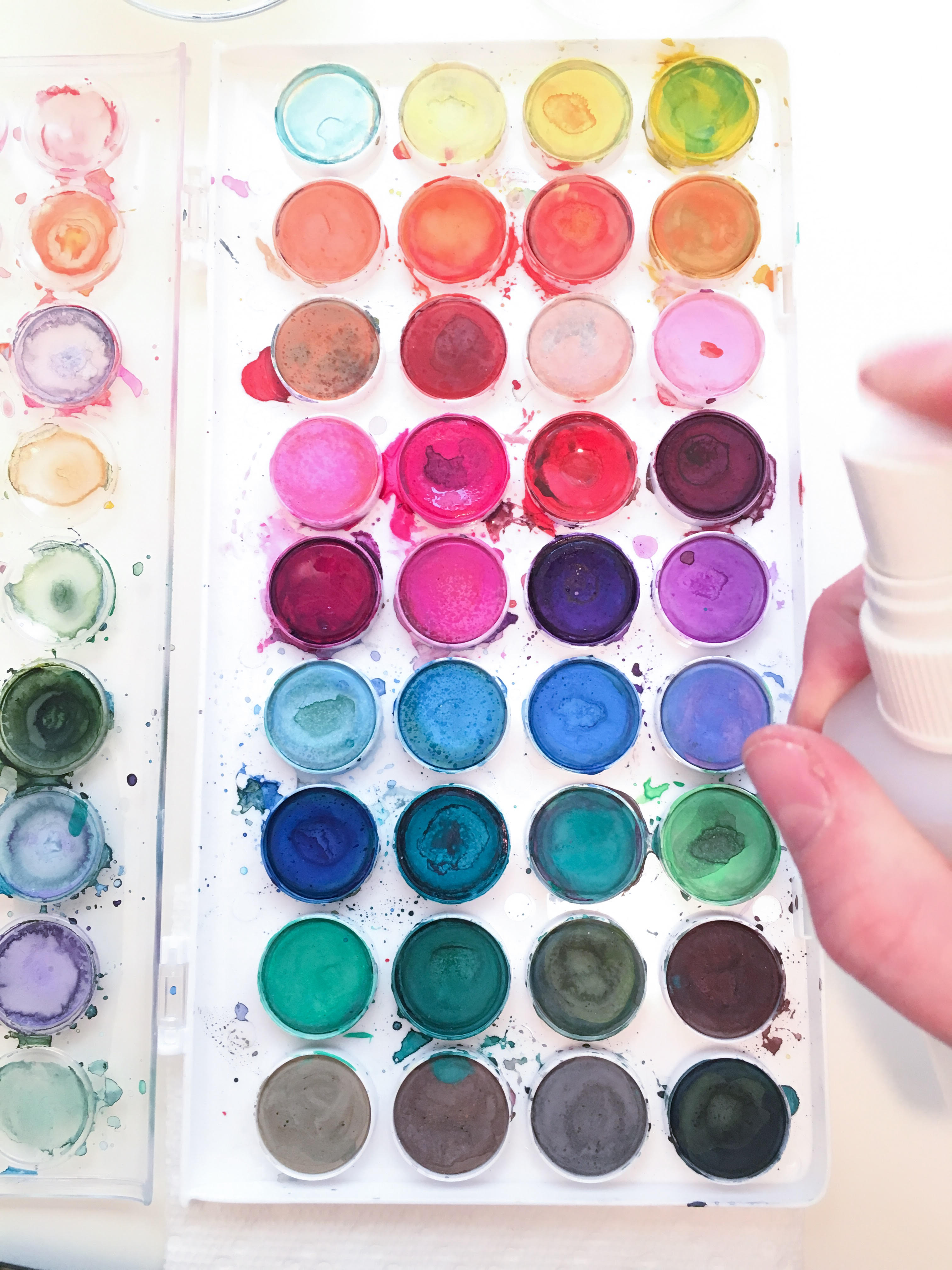
Inspiration is essential for any creative endeavor, and watercolor art offers a plethora of possibilities. Here are some ways to find inspiration for your watercolor projects:
- Nature: The natural world is filled with colors, patterns, and textures that can spark your creativity. Pay attention to the colors of flowers, landscapes, and even the sky.
- Art Communities: Engaging with other artists online or in local groups can provide fresh perspectives and ideas. Platforms like Instagram, Pinterest, and art blogs are excellent resources for discovering new techniques and styles.
- Art Workshops: Participating in workshops can help you learn new skills and techniques while connecting with fellow artists. Many workshops focus on specific watercolor techniques, allowing you to hone your craft.
By immersing yourself in various sources of inspiration, you can continually evolve your style and explore new possibilities in your watercolor designs.
Tips for Storing and Maintaining Watercolor Paints
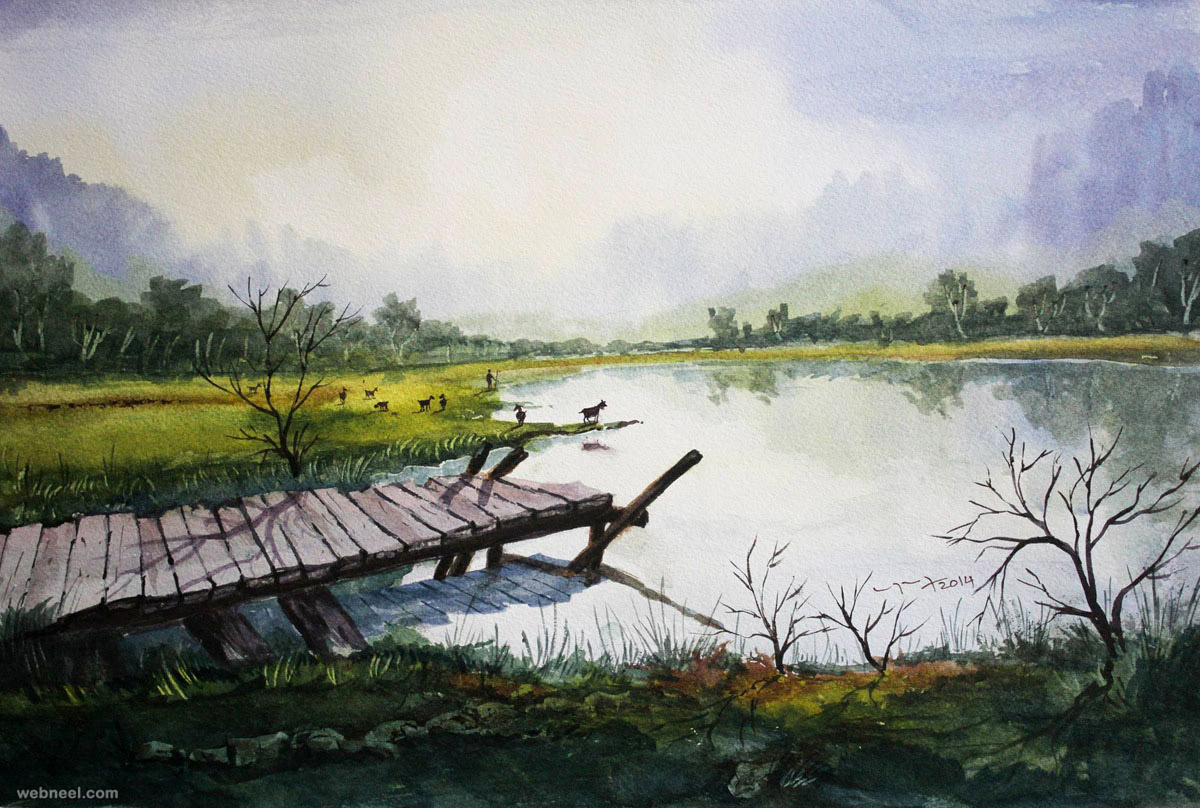
To make the most of your watercolor painting experience, it’s essential to take care of your materials. Here are some tips for storing and maintaining watercolor paints and papers:
- Keep Paints Sealed: Always seal your watercolor paint tubes or pans tightly to prevent them from drying out. If a color does dry up, you can try reconstituting it with water, but it’s best to avoid this when possible.
- Store Papers Flat: Watercolor papers should be stored flat to prevent warping or bending. If possible, keep them in a portfolio or a flat storage box.
- Clean Brushes Properly: Rinse your brushes thoroughly after use to maintain their shape and prevent pigment build-up. A clean brush will perform better and last longer.
Taking proper care of your watercolor supplies will ensure that they remain in excellent condition for your future projects.