
Stained glass windows have long served as vibrant storytellers in churches and cathedrals around the world, particularly those depicting scenes related to Jesus Christ. These artistic pieces are more than mere decorations; they embody theological narratives that convey spiritual messages to the faithful. From creation to resurrection, each window tells a story steeped in history, faith, and artistry, offering a glimpse into the divine.
The History and Significance of Stained Glass Windows
The tradition of stained glass dates back to the Romanesque period, flourishing significantly during the Gothic era. Initially, these windows were primarily functional, allowing light into dark interiors, but they soon evolved into elaborate visual narratives. The early craftsmen crafted glass pieces to depict biblical stories, leveraging natural light to enhance the spiritual experience. The colors and images were designed not only to display beauty but also to impart moral lessons and reinforce the teachings of Christ.
The use of stained glass windows in Christian churches symbolizes divine light and the presence of God. They often depict pivotal moments in the life of Jesus, including his birth, miracles, crucifixion, and resurrection. Each scene serves as a teaching tool, reminding congregants of their faith and their connection to the divine narrative. The craftsmanship involved in creating these windows is a testament to the dedication of artisans who spent countless hours perfecting their skills to convey powerful messages through glass.
Artistic Styles and Techniques
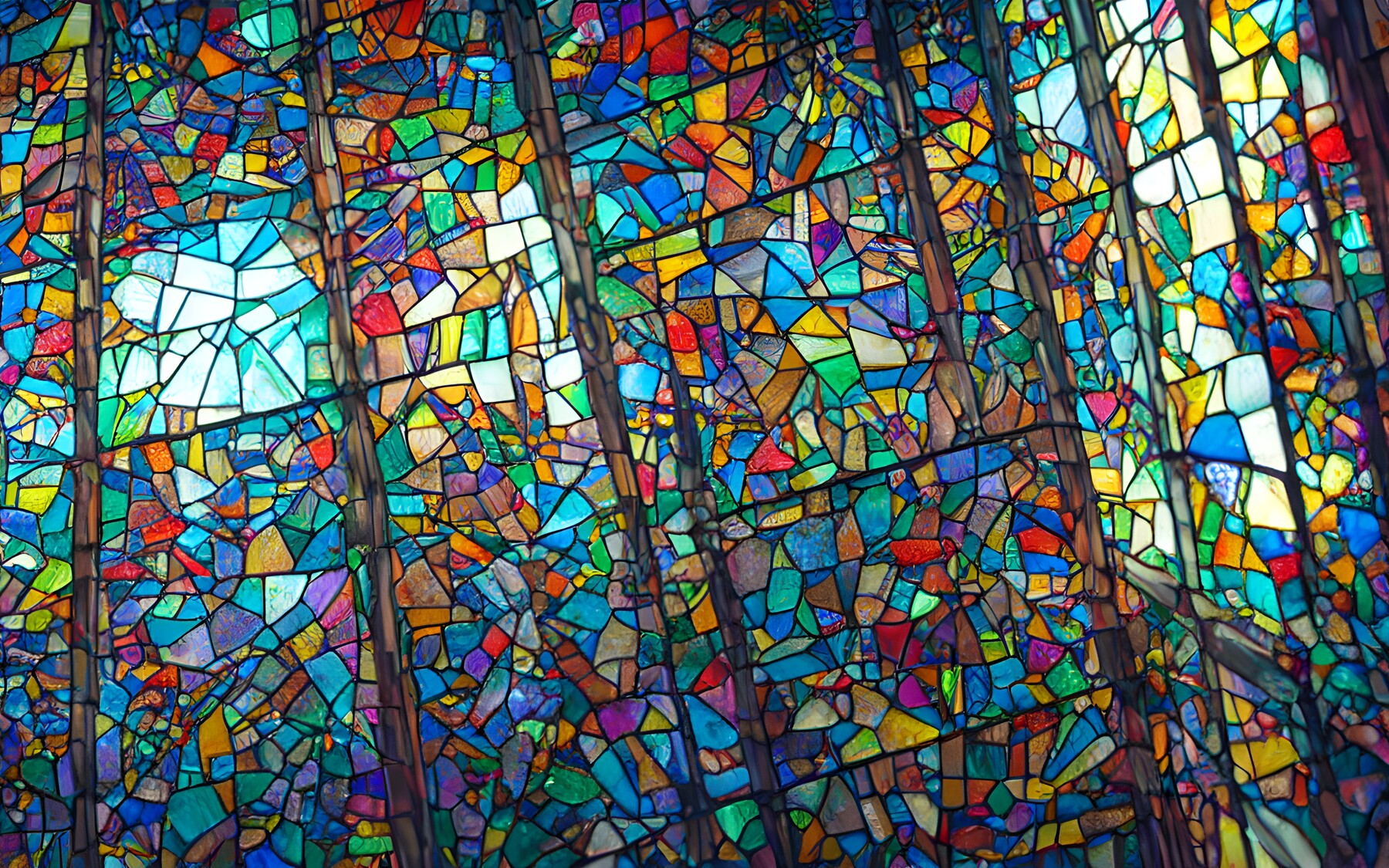
Stained glass windows vary widely in style and technique, reflecting the cultural and historical context of their creation. The prevalent styles include Gothic, Renaissance, and Baroque, each characterized by distinctive features. Gothic stained glass windows are known for their pointed arches and intricate designs, often using vibrant colors that catch the eye. Renaissance windows, on the other hand, showcase a more realistic portrayal of figures and scenes, often influenced by classical art forms.
In terms of techniques, traditional stained glass involves the use of lead came to piece together colored glass segments. Modern methods may incorporate fusing and painting on glass, allowing for more innovative designs and greater detail. Regardless of technique, the goal remains the same: to create a visual pathway for spiritual reflection and connection to Jesus Christ.
Colors and Their Symbolism

The colors used in stained glass windows are not just aesthetic choices; they are imbued with meaning and symbolism. For instance, blue often represents heaven and divine grace, while red is associated with the blood of Christ and sacrifice. Green symbolizes renewal and eternal life, reflecting the resurrection theme. Gold and yellow hues signify glory and divinity, illuminating the figure of Jesus in a heavenly light.
When designing or choosing wallpaper inspired by stained glass windows, consider these colors and their meanings. Incorporating them can evoke a serene and uplifting atmosphere in your space. For instance, a wallpaper featuring deep blues and vibrant reds can create a dramatic focal point, reminiscent of a grand cathedral.
Design Inspirations for Wallpaper
Stained glass motifs can serve as an excellent inspiration for interior design and wallpaper choices. Whether you’re looking to create a cozy, spiritual nook or an elegant, worshipful space, consider using patterns and colors derived from stained glass. Here are a few ideas:
- Abstract Designs: Use geometric patterns that mimic the shapes found in stained glass, utilizing colors that convey the desired mood.
- Nature-Inspired Motifs: Incorporate elements like trees, flowers, or the sun to reflect the creation narrative, combining vibrant colors to capture the essence of a stained glass window.
- Scene Depictions: Wallpapers that depict biblical scenes or figures can create a dramatic backdrop, enhancing the spiritual ambiance of your home.
Choosing and Pairing Wallpaper

When selecting wallpaper inspired by stained glass, consider the overall theme of your space. A room dedicated to reflection and spirituality may benefit from more subtle, pastel shades, evoking a sense of peace. In contrast, a lively gathering area might embrace bold, vibrant colors, creating an energetic atmosphere.
Mixing stained glass-inspired wallpaper with complementary textures can elevate your decor. Pairing a colorful wallpaper with natural wood accents or soft fabrics can create harmony and balance. Furthermore, consider the light in your space; natural light can enhance the colors and patterns of stained glass designs, making the room feel more alive and inviting.
Stained Glass Windows Beyond Churches
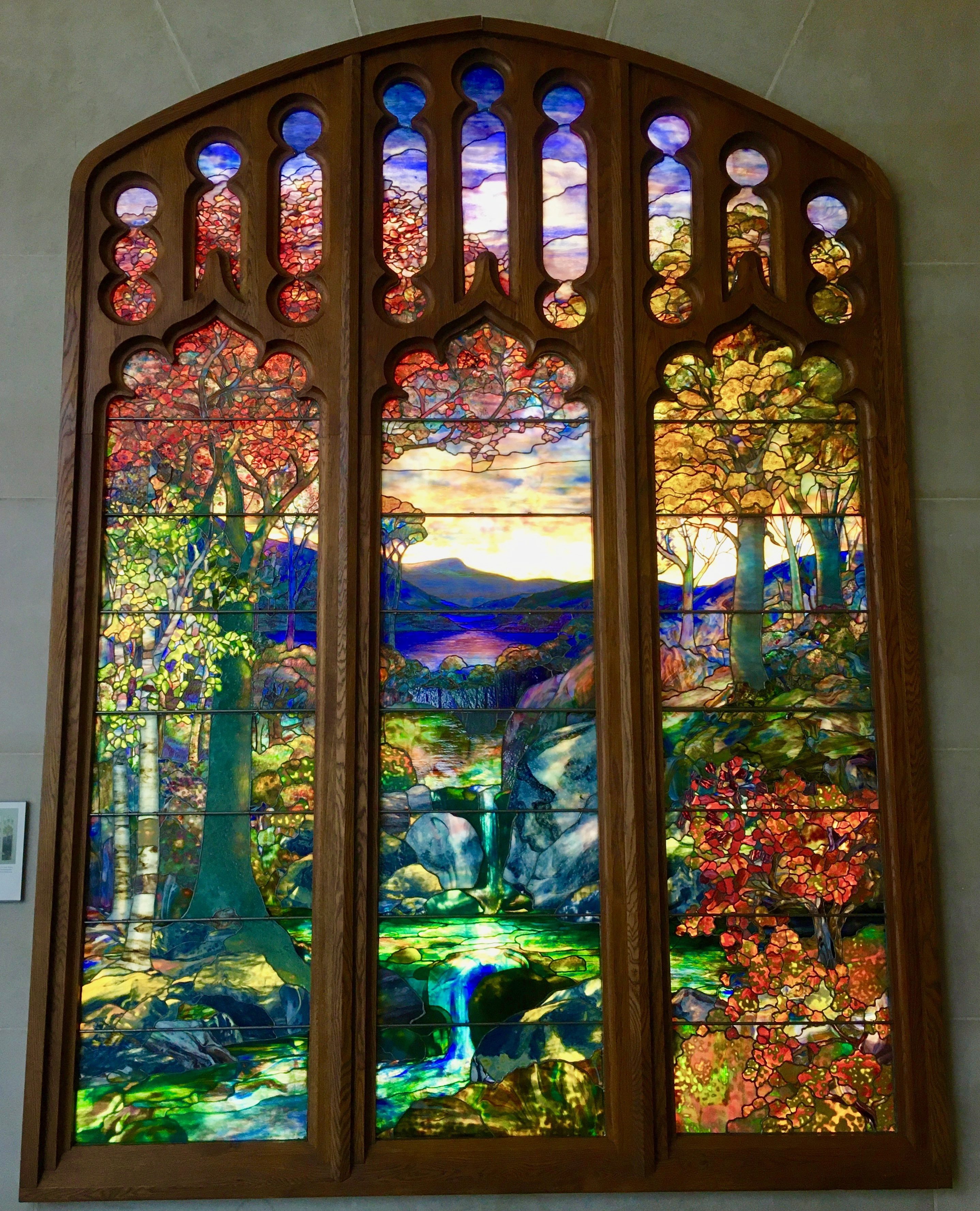
While stained glass windows are predominantly found in religious settings, their artistic influence extends beyond churches. Many homes, public buildings, and even secular spaces incorporate stained glass elements to add character and beauty. This trend has inspired designers to create wall art, decorative panels, and even modern wallpaper that mimics the look of traditional stained glass.
Incorporating stained glass elements into various settings can offer a unique touch, blending spirituality with artistry. This fusion can inspire individuals to reflect on their faith while enjoying the beauty of design.
The Spiritual Impact of Stained Glass
For many, stained glass windows are a source of inspiration and spiritual upliftment. They serve as visual reminders of faith and the narratives of Jesus Christ. The interplay of light and color creates an atmosphere conducive to prayer, meditation, and reflection, allowing individuals to connect with their spirituality.
Incorporating stained glass designs into your living space can similarly foster a sense of peace and reflection. Whether through wallpaper, artwork, or decorative elements, the imagery associated with stained glass can transform a room into a sanctuary, encouraging moments of contemplation and connection to the divine.