
Pistol photography is an intriguing and specialized art form that emphasizes the aesthetics of firearms, showcasing their design and craftsmanship through the lens of a camera. Whether you are an enthusiast looking to enhance your skills or a professional photographer aiming to broaden your portfolio, mastering the art of pistol photography requires an understanding of techniques, lighting, and composition. In this article, we will delve into the essential tips and techniques that will elevate your pistol photography to the next level.
Understanding Your Subject
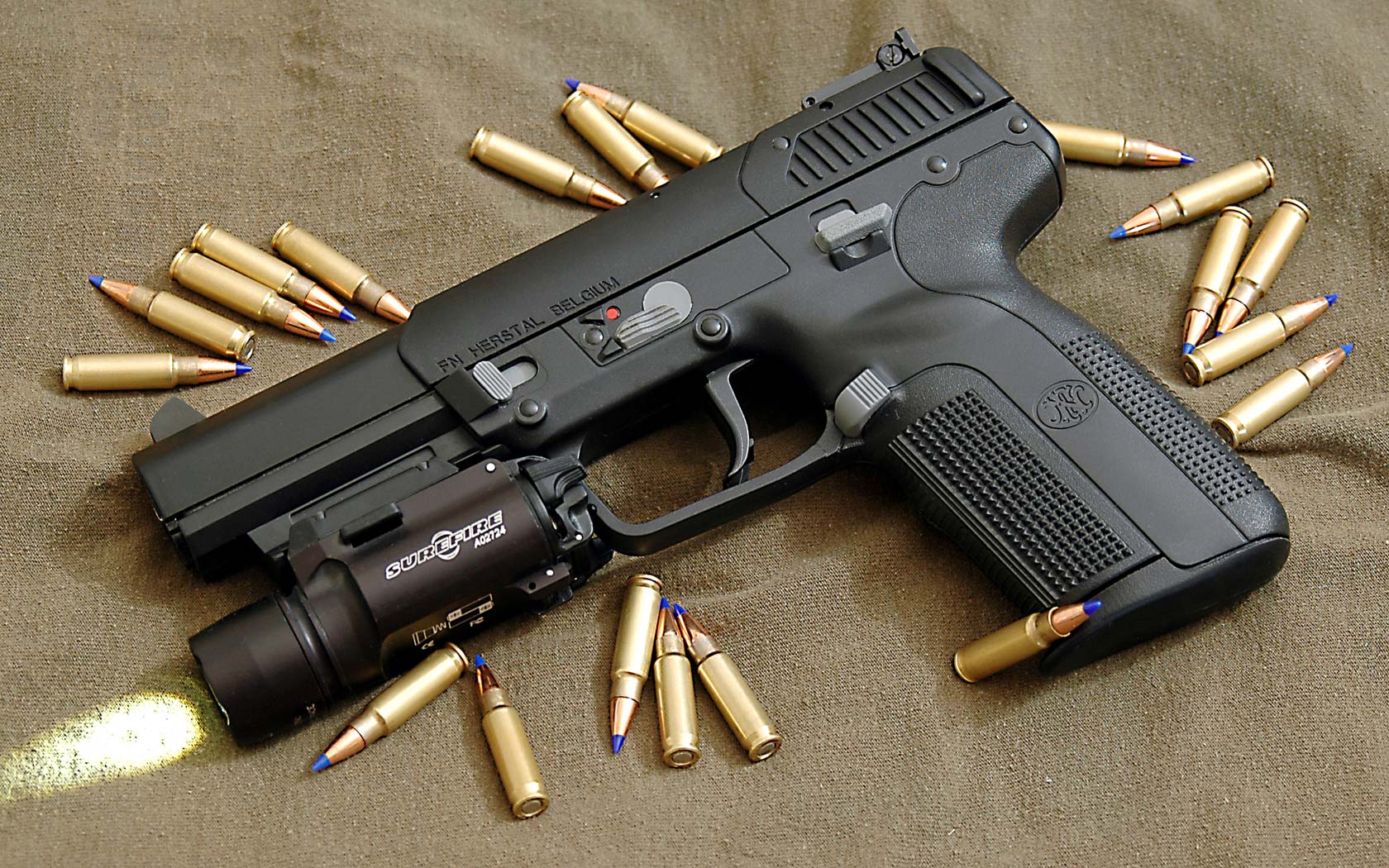
Before diving into the technical aspects of photography, it’s crucial to have a strong understanding of your subject—the pistol. Different models, styles, and finishes can influence how the firearm appears in photographs. Spend time familiarizing yourself with the features of the pistol you intend to photograph, including its textures, colors, and distinctive elements. This knowledge will help you highlight the unique characteristics of each firearm in your shots.
Consider the historical context or the story behind the pistol. For instance, modern handguns may require a different approach compared to vintage revolvers. Understanding these nuances will serve as a foundation for your creative process.
Choosing the Right Equipment
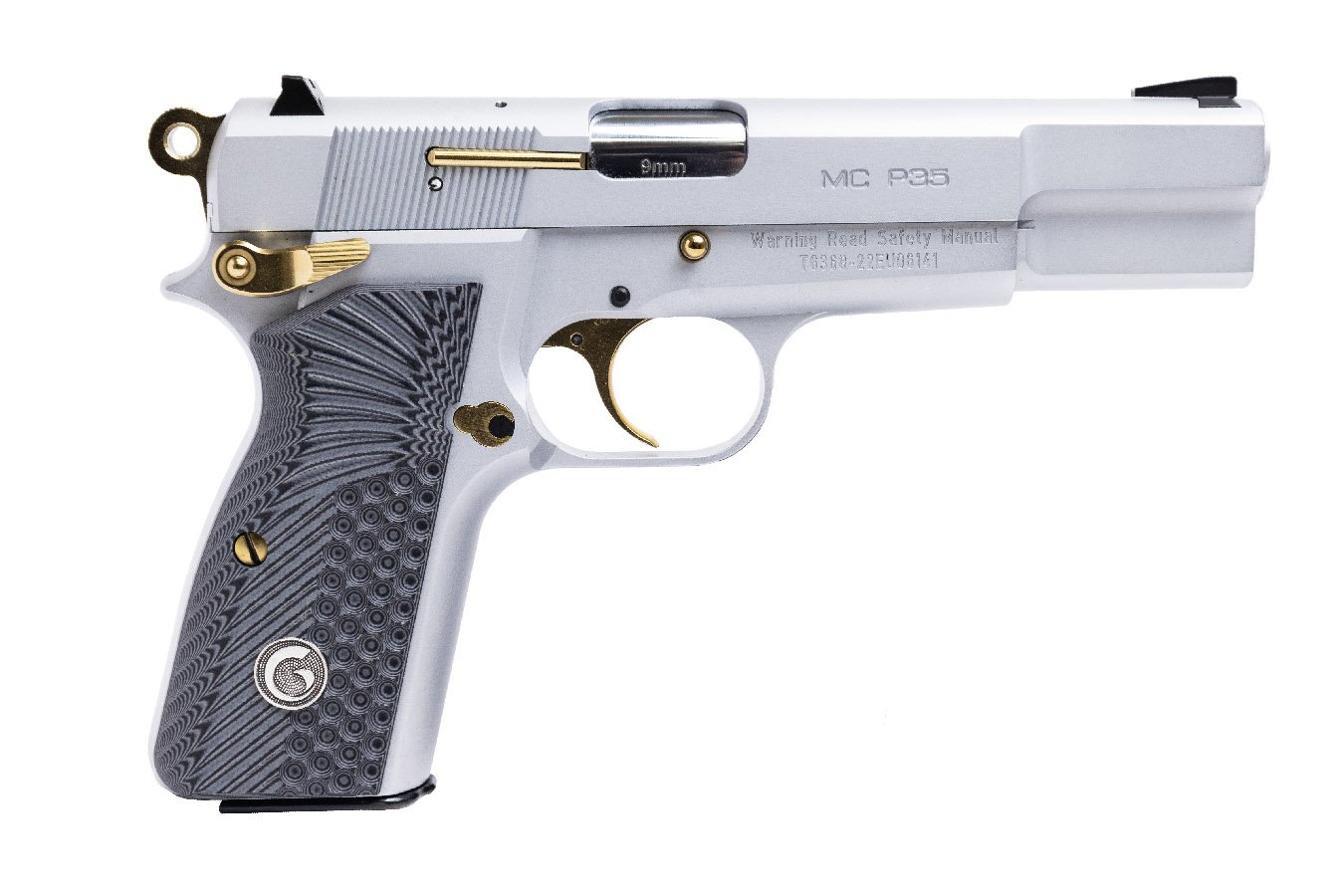
While you can capture stunning images with a smartphone, investing in a DSLR or mirrorless camera can significantly enhance your results. A camera with manual settings allows you to control exposure, aperture, and shutter speed, giving you greater creative freedom.
- Lenses: A macro lens is ideal for capturing intricate details, such as engravings or textures. A standard zoom lens can also be versatile for various angles and compositions.
- Tripod: Stability is crucial in photography, especially for close-ups or low-light conditions. A tripod will keep your camera steady and reduce the risk of blurry images.
- Lighting Equipment: Natural light is often the best option, but consider using reflectors or softboxes to enhance lighting. Experimenting with different light sources—like LED lights or flash—can create dramatic effects.
Lighting Techniques for Stunning Shots
Lighting plays a pivotal role in photography, and mastering it can make all the difference in your images. Here are some techniques to consider:
- Natural Light: Shooting outdoors during the golden hour—shortly after sunrise or before sunset—can give your photographs a warm, soft glow. Avoid harsh midday sun, which can create unwanted shadows.
- Artificial Lighting: If you’re working indoors, consider using diffused lighting to soften shadows. Softboxes or LED panels can provide even illumination, making it easier to capture details without glare.
- Backlighting: Positioning the light source behind the pistol can create a dramatic silhouette effect. This technique can highlight the shape and profile of the firearm.
Composition and Framing Techniques

Effective composition is key to engaging photography. Here are some tips to enhance your framing:
- Rule of Thirds: Divide your frame into thirds, both horizontally and vertically. Place the pistol along these lines or at the intersections to create a balanced and interesting photo.
- Angles Matter: Experiment with various angles—shoot from above, below, or at eye level. Each angle can evoke different feelings in the viewer and highlight unique features of the pistol.
- Foreground and Background: Incorporate elements in the foreground or background to add depth to your images. A blurred or bokeh effect can help isolate the pistol, making it the focal point.
Post-Processing Techniques
After capturing your images, the editing process can further refine and enhance your photographs. Here are some common post-processing techniques:
- Color Correction: Adjusting the color balance can help achieve more accurate representations of the pistol’s finish and details.
- Sharpening: Apply selective sharpening to enhance details, especially on the pistol’s engravings or textures.
- Cropping: Crop your images to eliminate distractions and focus on the pistol itself. This can help improve the overall composition.
Inspiration and Creativity

To continuously improve your pistol photography, seek inspiration from other photographers, artworks, and even films. Following social media accounts dedicated to firearms, joining forums, or participating in photography groups can expose you to new techniques and styles. Don’t hesitate to experiment—play with different settings, compositions, and environments.
Consider incorporating lifestyle elements into your shots, such as using props or showcasing the pistol in action (safely and responsibly). This adds context and narrative to your images, making them more captivating.
Safety Considerations
When photographing firearms, safety should always be the top priority. Ensure that the pistol is unloaded and follow all safety protocols. If you’re shooting in public or at an event, be mindful of your surroundings and the perceptions of others.
In summary, mastering the art of pistol photography involves understanding your subject, utilizing the right equipment, employing effective lighting and composition techniques, and not forgetting the importance of safety. As you practice and refine your skills, you’ll discover your unique style and approach to capturing the beauty of pistols through your lens.