
The monarch butterfly, with its vibrant orange and black wings, is undoubtedly one of nature’s most stunning creatures. Capturing these delicate insects in their natural habitat can be both rewarding and challenging. Whether you’re an aspiring photographer looking to expand your portfolio or simply a nature enthusiast wanting to document your encounters, understanding a few essential photography tips can make all the difference. In this article, we will explore effective techniques for photographing these colorful creatures, ensuring your monarch butterfly photos are as breathtaking as the butterflies themselves.
Understanding Monarch Butterflies

Before delving into photography techniques, it’s crucial to understand the behavior and characteristics of monarch butterflies. These insects are known for their remarkable migration patterns, traveling thousands of miles from North America to central Mexico. They are most commonly found during late summer and early fall, making this an ideal time for photographers to capture them in their colorful glory.
Monarchs are typically seen in open fields, gardens, and near milkweed plants, which serve as their primary food source during the caterpillar stage. Observing their natural environment will not only help you find them more easily but also allow you to capture them in the context of their habitat. Consider planning your photography outings during peak migration times, when monarchs are most abundant.
Equipment Essentials for Monarch Photography
When preparing to photograph monarch butterflies, having the right equipment can significantly enhance your results. Here are some essential tools to consider:
- Camera: A DSLR or mirrorless camera is recommended for capturing high-quality images. Look for a camera with a fast autofocus system to help you keep up with these quick-moving butterflies.
- Lens: A macro lens is ideal for getting up close and personal with the butterflies. A lens with a focal length of 100mm or more will allow you to capture detailed images without disturbing them.
- Tripod: While not always necessary, a tripod can help stabilize your camera for clearer shots, especially in low light conditions.
- Reflectors: Using reflectors can help bounce natural light onto your subject, enhancing the colors of the monarchs.
Finding the Perfect Location
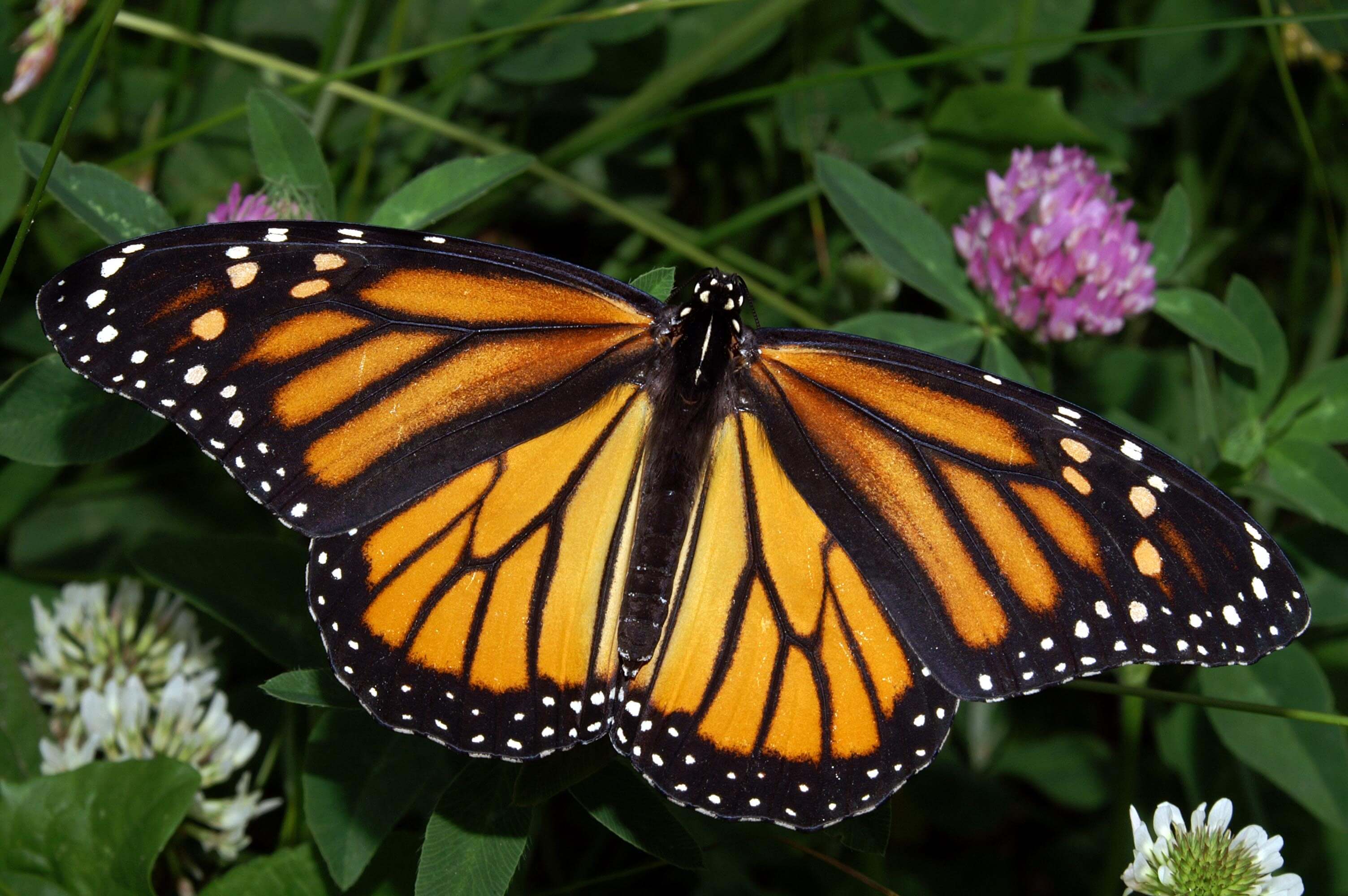
Knowing where to find monarch butterflies is essential for successful photography. Look for areas rich in milkweed plants, as these are often breeding grounds for monarchs. Local parks, wildlife reserves, and botanical gardens can also be great spots to explore.
Visiting these locations in the early morning or late afternoon can provide you with soft, golden light, which is perfect for photography. The early hours are also when monarchs are less active, making it easier to approach them for close-up shots.
Techniques for Capturing Stunning Photos
Once you’re in the right location, it’s time to put your photography skills to the test. Here are some techniques to consider:
- Focus on the Eyes: Ensure that the butterfly’s eyes are in sharp focus. This draws the viewer’s attention and creates a more intimate connection with the subject.
- Use a Shallow Depth of Field: A wide aperture (low f-stop number) will blur the background, allowing the butterfly to stand out. This technique can create a beautiful bokeh effect.
- Capture Movement: Monarch butterflies can be quite active. Use a fast shutter speed to freeze their motion. Alternatively, capturing them in flight can add a dynamic element to your images.
- Experiment with Angles: Change your perspective by shooting from various angles. Try getting down to the butterfly’s level for a more engaging shot.
Post-Processing Tips
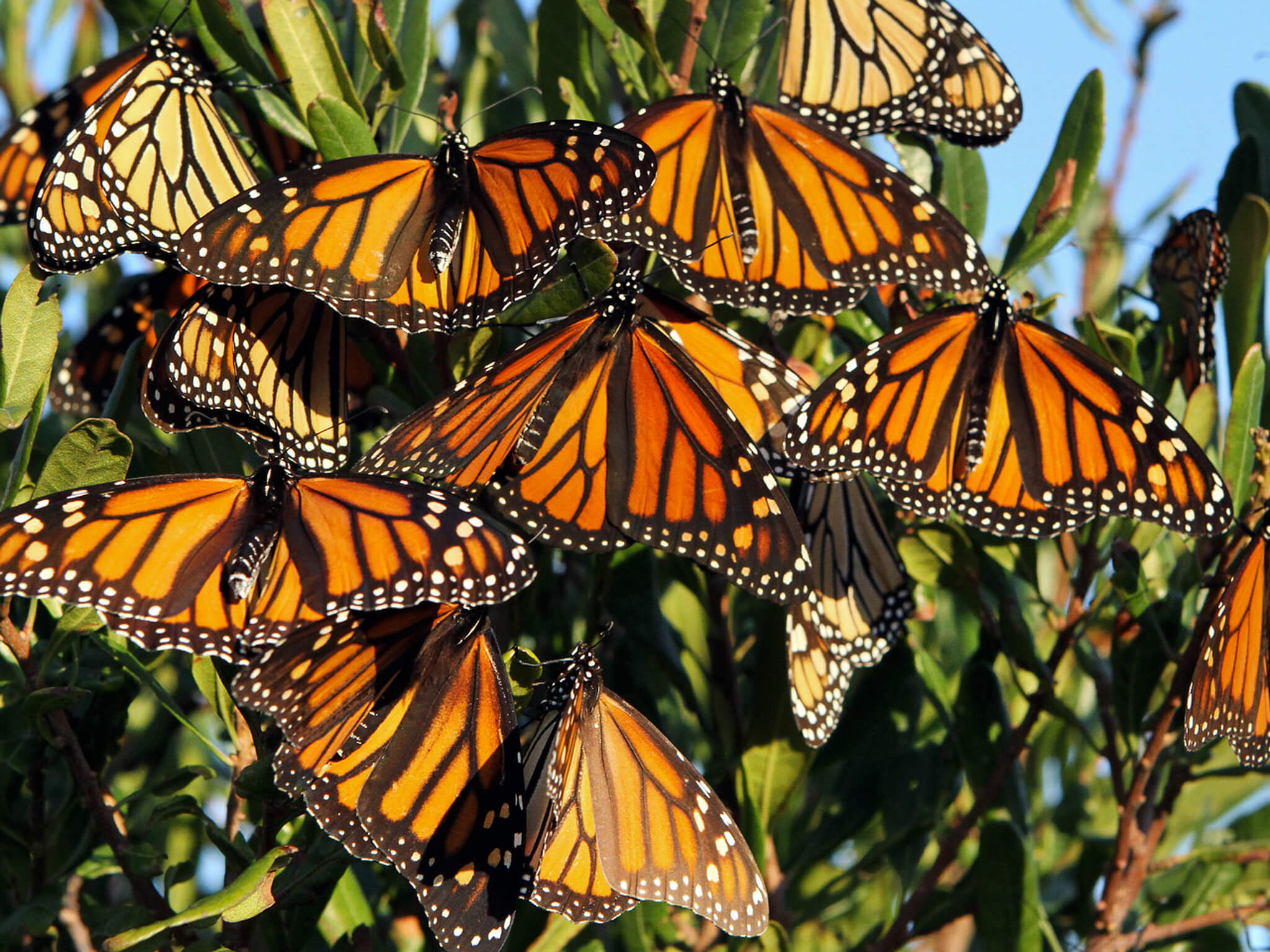
After capturing your images, the editing process can elevate them to new heights. Here are some post-processing tips to enhance your monarch butterfly photos:
- Adjusting Color: Monarchs are known for their vibrant colors. Enhance the saturation and contrast to make the hues pop, but be careful not to overdo it.
- Cropping: Consider cropping your images to improve composition. Remove any distracting elements from the frame.
- Sharpening: Apply sharpening to the butterfly’s wings to bring out the intricate details.
Sharing Your Monarch Moments

Once you’re satisfied with your photographs, it’s time to share your work with the world. Consider creating a portfolio or sharing your images on social media platforms dedicated to photography. Engaging with other nature photographers can provide you with valuable feedback and inspiration.
If you’re looking to create wallpapers or digital backgrounds, use your best images to design stunning visuals. Monarch butterfly wallpapers can add a touch of nature’s beauty to desktops, tablets, and smartphones, bringing the vibrant colors of these insects into everyday life.
In conclusion, photographing monarch butterflies can be a thrilling experience that combines patience, skill, and creativity. Armed with the right knowledge and tools, you can capture these colorful creatures in ways that showcase their beauty and grace. Happy shooting and may your monarch moments be as vibrant as the butterflies themselves!