
The intricate beauty of stained glass windows has captivated audiences for centuries, serving as both artistic masterpieces and spiritual symbols. Among the myriad of subjects depicted, representations of Jesus Christ hold a particularly profound significance. These windows are not merely decorations; they are narratives woven from light and color, telling the stories of faith, redemption, and divine presence. In this article, we will explore the symbolism behind the artistic representations of Jesus in stained glass, examining various styles, colors, and their impact on both the sacred space and its visitors.
The Historical Context of Stained Glass Art
Stained glass has its roots in ancient civilizations, but it flourished during the Gothic period, particularly in the cathedrals of Europe. These grand structures were designed to be visually stunning, but they also had a didactic purpose. The stained glass windows served as visual sermons, illustrating biblical stories and teachings to a largely illiterate populace. In this context, representations of Jesus became central, often depicting key moments from His life, such as the Nativity, Crucifixion, and Resurrection.
As the art of stained glass evolved, so too did the styles and techniques used by artisans. From the intricate detail of the early Gothic windows to the more abstract forms of the Art Nouveau period, each style brought its unique interpretation of Christ’s life and message. The transition from medieval to modern styles also reflected broader changes in society, faith, and artistic expression.
Styles and Techniques in Stained Glass Representations of Jesus

Stained glass windows are characterized by a variety of styles, each contributing to the overall narrative presented. Traditional Gothic stained glass often features vibrant colors and detailed figures. Jesus is typically depicted with outstretched arms or in a posture of blessing, symbolizing His role as the Savior of humanity. The use of gold leaf and intricate designs enhances the divine quality of these windows, creating a sense of grandeur and reverence.
In contrast, the Renaissance period brought a shift towards more naturalistic representations. Artists began to focus on realistic human expressions and anatomical proportions, portraying Jesus in a more relatable manner. This movement allowed viewers to connect on a personal level with Christ’s humanity. The use of softer colors and shading techniques added depth and dimension, making the figures come alive.
- Gothic Style: Characterized by vibrant colors and intricate details, often depicting Jesus in scenes from the Bible.
- Renaissance Style: A more naturalistic approach, focusing on human emotion and realistic representations of Christ.
- Art Nouveau: Incorporates flowing lines and organic forms, emphasizing the spiritual connection between nature and divinity.
The Symbolism of Colors in Stained Glass

The colors used in stained glass windows are not arbitrary; each hue carries its own symbolism. In representations of Jesus, specific colors can evoke profound meanings. For instance, blue is often associated with the divine and heavenly grace, while red can symbolize the blood of Christ and sacrifice. Green is linked to life and resurrection, reflecting hope and renewal. The careful selection of colors enhances the narrative and emotional impact of the artwork.
Moreover, the interplay of light and color transforms as the sun shines through the glass. This dynamic quality creates an ever-changing atmosphere within sacred spaces, inviting contemplation and reflection. The vibrant colors can evoke feelings of peace, joy, or solemnity, depending on the depicted scene and its context.
Choosing Stained Glass Windows for Spiritual Spaces
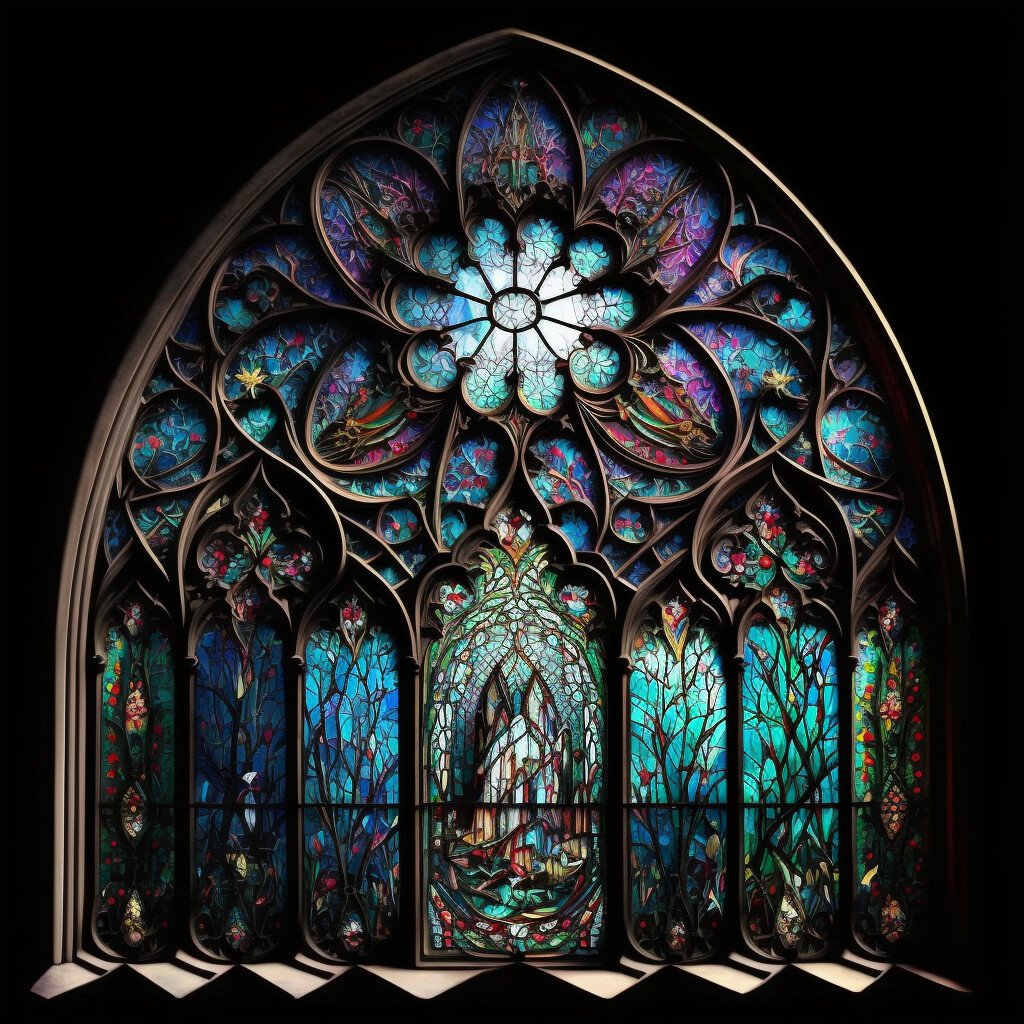
When considering stained glass windows for personal or communal spaces, it’s essential to think about the message and mood you wish to convey. Stained glass depicting Jesus can serve as a focal point in a church, chapel, or even a home, providing spiritual inspiration and beauty. Here are some tips to guide your selection:
- Consider the message: What aspect of Jesus’ life resonates most with you or your community? Whether it’s His compassion, sacrifice, or teachings, choose a representation that reflects those values.
- Focus on color: Think about the ambiance you want to create. Warmer colors can evoke a sense of comfort, while cooler tones may inspire tranquility.
- Size and placement: Consider where the window will be located. Larger windows can dominate a space, while smaller pieces can provide subtle beauty and reflection.
Inspiration from Stained Glass in Modern Design
Incorporating stained glass into modern home design offers a unique way to celebrate its beauty while adding a spiritual element. Many contemporary designers are reimagining traditional stained glass techniques, creating custom pieces that reflect personal beliefs and aesthetics. This trend allows individuals to enjoy the splendor of stained glass windows in various settings, from residential spaces to public art installations.
Furthermore, wallpapers and digital designs inspired by stained glass artistry have emerged, allowing individuals to bring this rich tradition into their homes without the permanence of physical glass. These designs capture the essence of stained glass with intricate patterns and vivid colors, making them perfect for feature walls or accents in any room.
Creating a Stained Glass Inspired Atmosphere
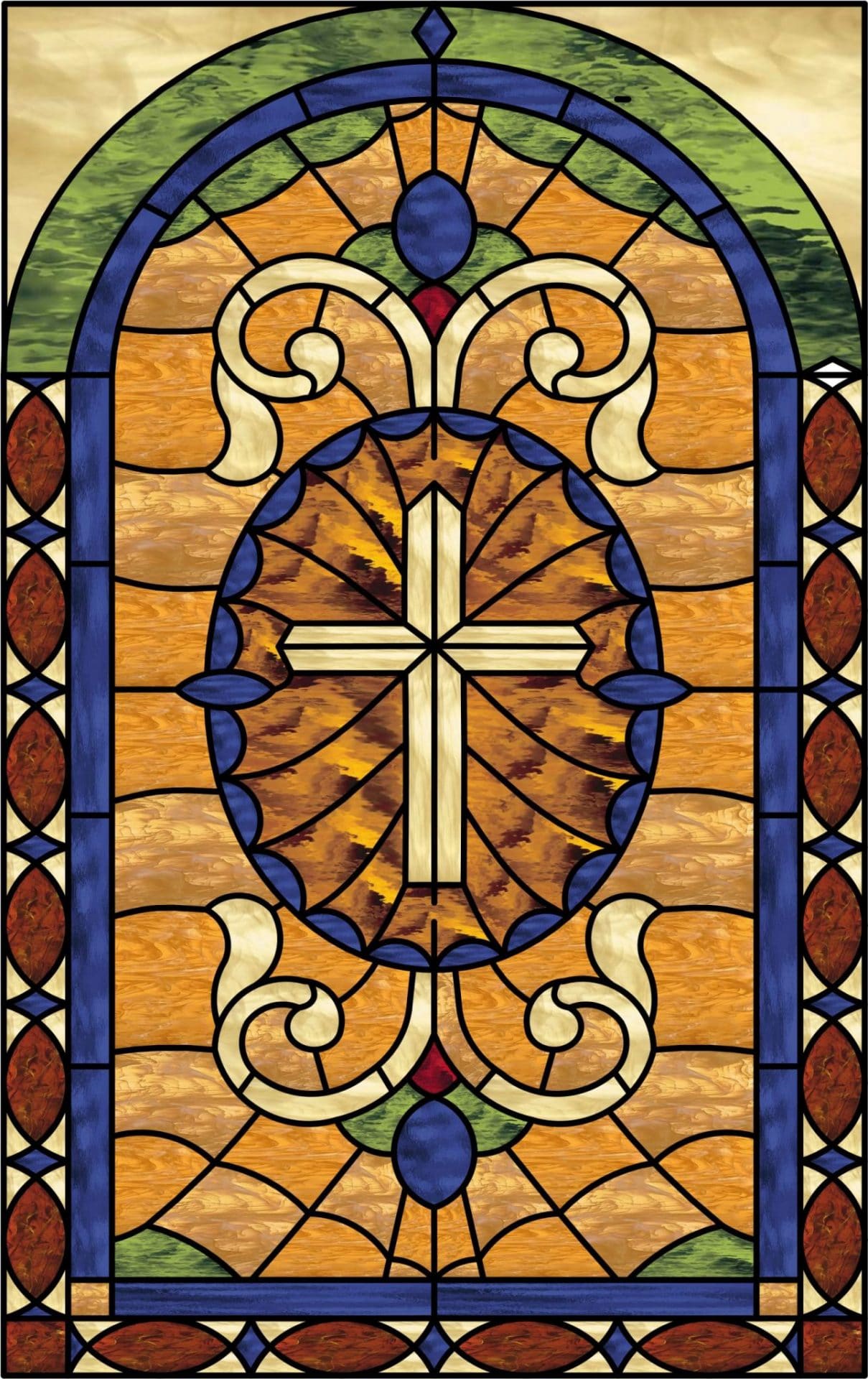
For those looking to create an atmosphere reminiscent of stained glass within their living spaces, consider using light filters, colored glass decor, or wall art that mimics the intricate designs of stained glass. This approach can transform ordinary spaces into places of reflection and spirituality, reminiscent of the awe-inspiring environments of cathedrals.
Ultimately, whether through actual stained glass windows or inspired decor, the artistic representations of Jesus in stained glass offer a profound way to connect with faith, beauty, and history. The interplay of light, color, and form can uplift the human spirit, making stained glass a timeless medium for expressing the divine.