
Stained glass windows are not just decorative elements in churches; they are vibrant narratives that encapsulate spiritual beliefs, historical events, and artistic prowess. Among the most compelling themes in stained glass art are those depicting Jesus Christ. These windows, often found in cathedrals and churches worldwide, serve as a visual representation of faith, capturing both the divine and human aspects of Jesus. This article explores the intricate designs, colors, and spiritual significance of stained-glass windows featuring Christ, providing insights for those interested in incorporating this divine aesthetic into their visual environments.
The Historical Context of Stained Glass Windows
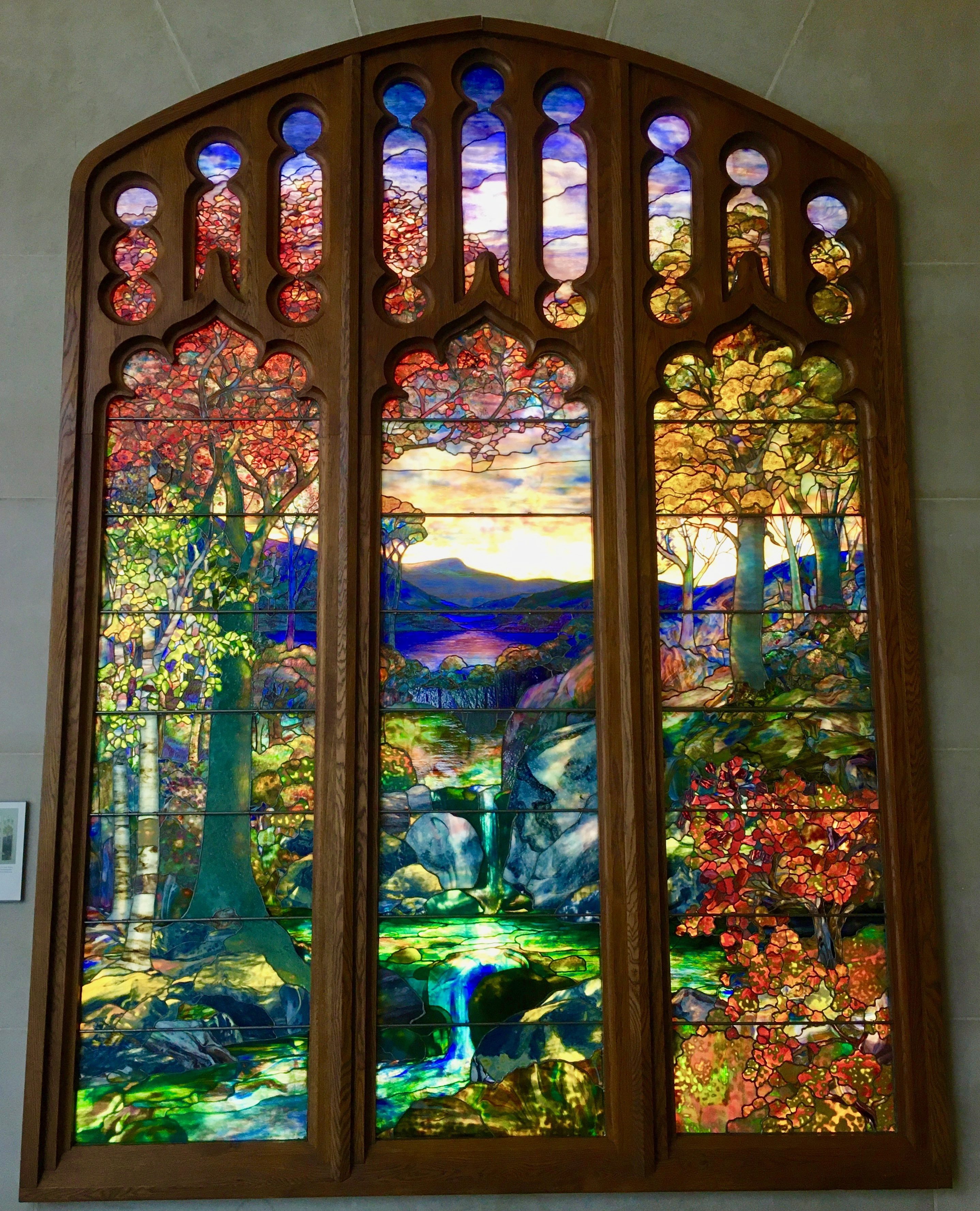
The use of stained glass dates back to the early Christian period, evolving significantly through the Gothic era. These windows were initially created to educate the illiterate masses about biblical stories and saints. Jesus Christ, being central to Christian belief, was often the focal point of many of these works. The artistry of stained glass allowed for the portrayal of complex theological concepts and narratives, making them accessible to everyone who entered a place of worship.
During the Middle Ages, master craftsmen developed techniques that transformed ordinary glass into breathtaking works of art. They utilized colored glass, which was often hand-blown and painted, to create vivid imagery. The windows’ intricate designs typically included scenes from the life of Jesus, his miracles, and significant events, such as the Nativity and the Crucifixion. Through these visual stories, stained glass windows became a bridge between the earthly and the divine, inviting reflection and contemplation.
Artistic Elements and Symbolism

The artistry involved in creating stained glass windows depicting Jesus Christ is remarkable. Each window tells a story, rich with symbolism and meaning. The colors used hold great significance; for instance, blue often represents Heaven and divinity, while red symbolizes Christ’s sacrifice and love. Gold accents can denote glory and divine light, enhancing the overall impact of the piece.
Shapes and patterns play a crucial role as well. The use of geometric patterns can symbolize order and harmony in the universe, while the figures of Jesus are typically depicted with outstretched arms, conveying openness and acceptance. The background of these windows often features nature, such as vines or flowers, symbolizing life and resurrection.
Incorporating Stained Glass Aesthetics in Modern Design
Many people find inspiration in stained glass for home decor, wallpaper, and digital backgrounds. The vibrant colors and intricate designs can transform a space, creating a serene and reflective atmosphere. When choosing wallpaper or artwork inspired by stained glass, consider the colors that resonate with your personal style and the ambiance you wish to create.
- Color Palette: Opt for rich, jewel tones that mimic the beauty of stained glass, such as deep blues, reds, and greens. These colors can add warmth and a sense of calm to any room.
- Design Patterns: Look for wallpapers that incorporate geometric shapes or floral designs reminiscent of stained glass windows. These elements can create a cohesive look that celebrates the art form.
- Layering Textures: Combine stained glass-inspired wallpapers with textures like wood or metal to enhance the visual interest in your space.
For those who prefer digital formats, stained-glass motifs are perfect for desktop backgrounds or mobile wallpapers. The ethereal quality of light filtering through glass can be replicated in digital art, offering a serene backdrop for your devices.
Choosing the Right Stained Glass Inspired Visuals
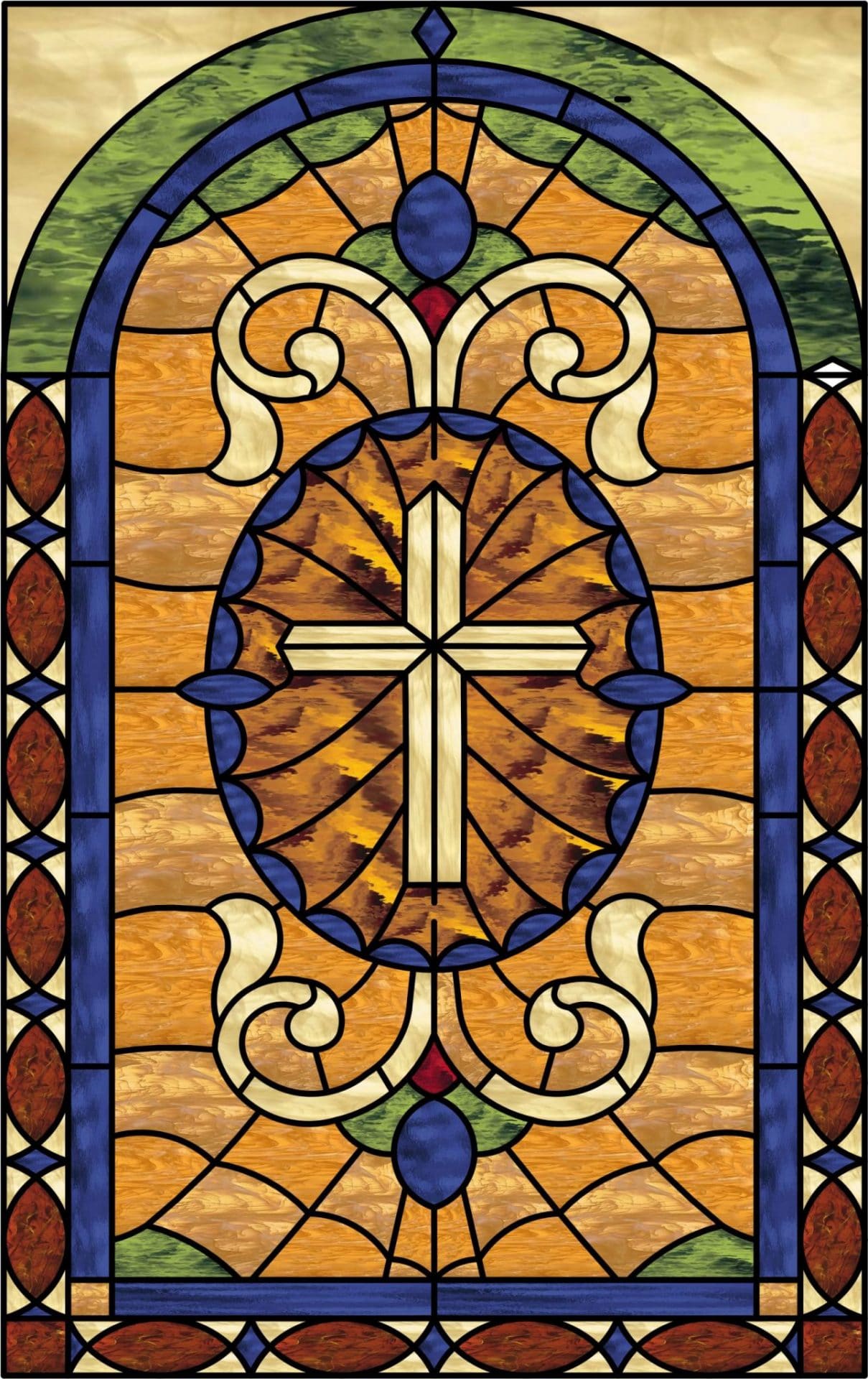
When selecting stained-glass-inspired designs for your home or digital devices, consider your overall aesthetic and the message you want to convey. Here are some tips to help you make the right choice:
- Match with Existing Decor: Ensure that the colors and themes of the stained glass visuals complement your current decor. This will create a harmonious environment.
- Consider the Mood: Different colors evoke different feelings. Warmer colors like reds and yellows can create an inviting atmosphere, while cooler colors like blues and greens can promote tranquility.
- Use Focal Points Wisely: If using stained glass designs on a feature wall, ensure it doesn’t overwhelm the space. Balance it with simpler decor items.
Stained glass themes can also be used in creative projects, such as scrapbooking, crafting, or as inspiration for artwork. The play of light and color in stained glass can encourage creativity and provide a refreshing aesthetic in various art forms.
The Spiritual Impact of Stained Glass Windows
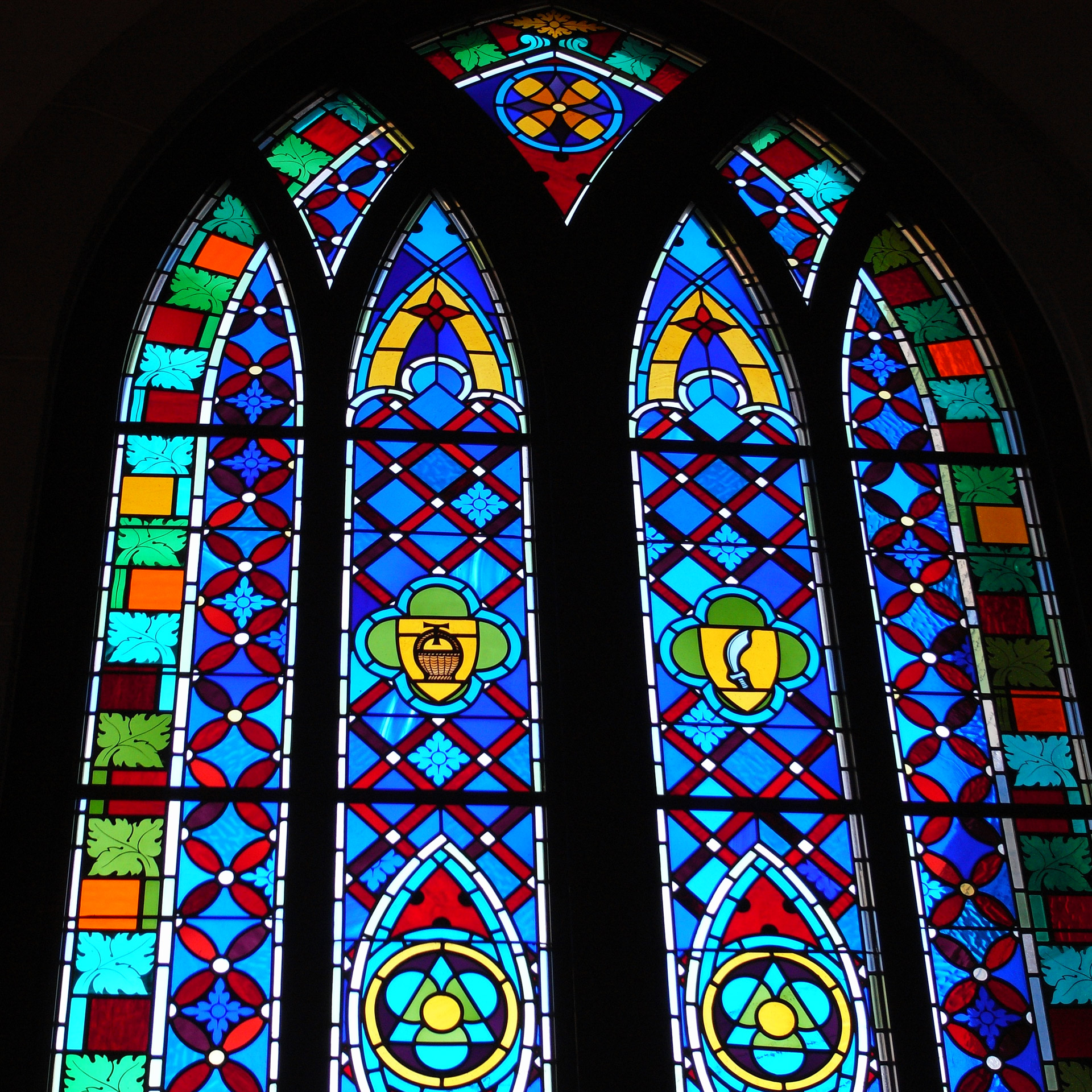
Beyond their aesthetic appeal, stained-glass windows hold deep spiritual significance. They act as a reminder of faith, hope, and the divine presence in everyday life. For many, gazing at these windows can evoke a sense of peace and connectedness to the divine. The intricate details invite contemplation, making them a valuable part of worship and meditation.
Incorporating this spiritual element into home decor or digital designs can serve as a daily reminder of one’s beliefs and values. Whether through vibrant wallpaper, artwork, or even as a starting point for personal reflections, stained-glass motifs can enrich your surroundings.
As we explore the beauty of stained-glass windows depicting Jesus Christ, we appreciate not only their artistic merit but also their ability to convey profound messages of faith and spirituality. Whether for personal use or as an inspiration source, these divine windows illuminate our understanding of art, religion, and the world around us, making them timeless treasures in both sacred and secular spaces.