
Watercolor texture paper is more than just a surface for your art; it’s an essential component that deeply influences your artistic expression and style. From the way colors blend to the texture that adds depth, choosing the right watercolor paper can dramatically change the outcome of your artwork. In this article, we’ll explore the characteristics of watercolor texture paper, its impact on your artistic style, and tips for choosing the right one for your projects.
Understanding Watercolor Texture Paper
Watercolor paper comes in various textures, weights, and finishes, each offering unique characteristics that affect your painting technique and the final appearance of your work. The most common textures include:
- Rough: This type of paper has a highly textured surface, allowing for dramatic brush strokes and strong color applications. It is perfect for creating expressive landscapes and abstract pieces.
- Cold Press (Not Hot Press): Also known as NOT paper, it has a soft texture that provides a good balance between smoothness and texture. It works well for detailed work where you want some texture without overwhelming your colors.
- Hot Press: This paper is smooth and allows for fine detail work, making it ideal for botanical illustrations and detailed portraits. However, it doesn’t hold water as well as rough or cold press papers.
Each of these textures impacts how the paint interacts with the paper, influencing your brushwork and the overall mood of your piece. The choice of texture is crucial as it can lead to different emotional responses from the viewer.
The Emotional Impact of Texture in Art

The texture of watercolor paper can evoke various emotions and moods in your artwork. For example, a rough texture may impart a sense of chaos or vibrancy, while a smooth texture can convey calmness and precision. This relationship between texture and emotion is an essential consideration for artists looking to convey specific themes in their work.
When you experiment with different watercolor paper textures, you’ll find that they can alter the way colors appear. A textured paper can absorb pigments differently, leading to varied intensities and shades. This can enhance the visual narrative you are trying to create. Thus, artists often choose their paper based on the emotional tone they wish to set in their work.
Choosing the Right Watercolor Texture Paper
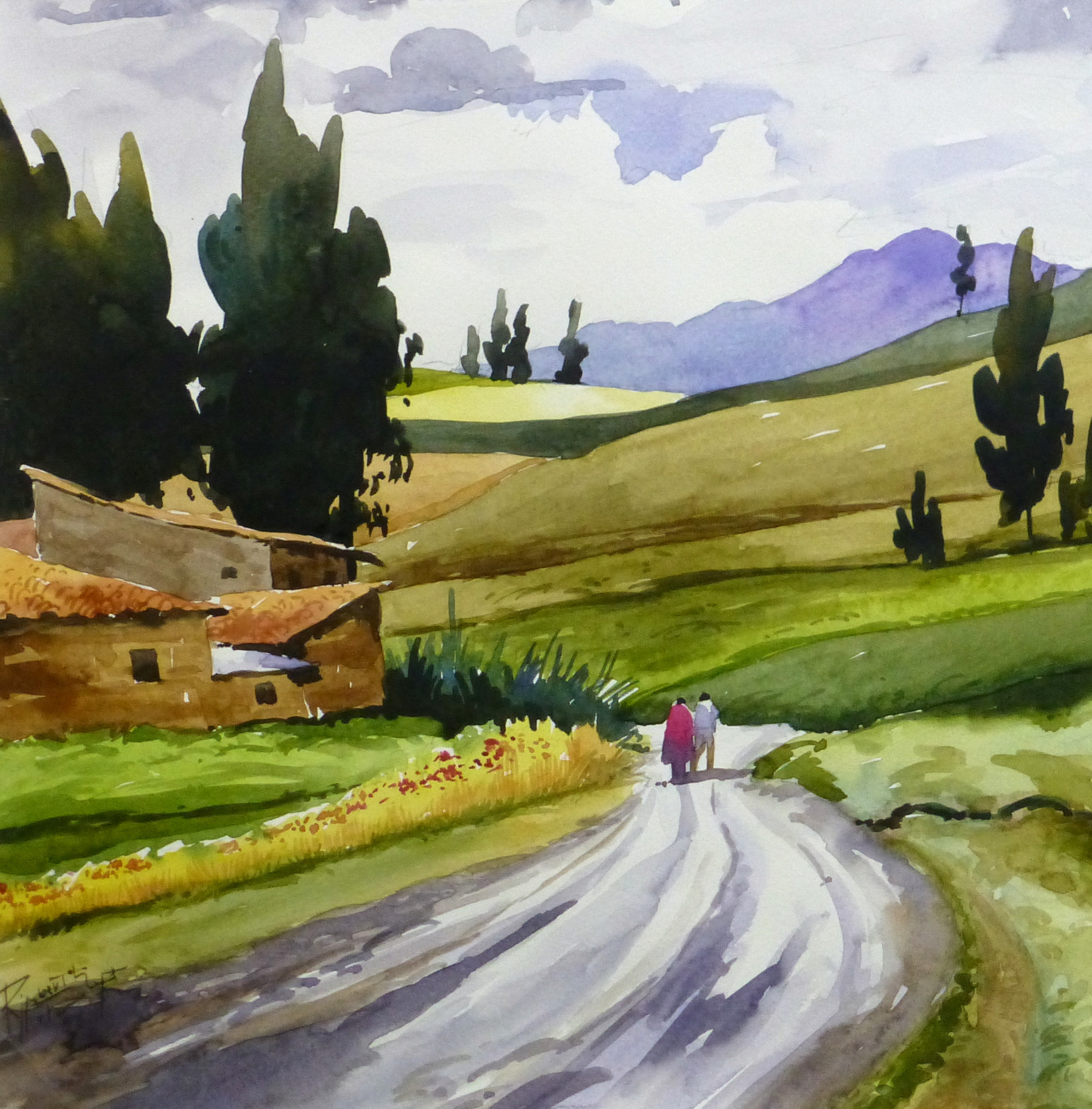
Selecting the right watercolor paper is essential for achieving the desired artistic outcome. Here are some tips to help you make an informed decision:
- Consider Your Technique: Think about the painting techniques you plan to use. If you favor bold, expressive strokes, a rough texture may be more suitable. Conversely, if you prefer detailed work, opt for hot press paper.
- Evaluate Your Subject Matter: The subject matter of your artwork can guide your paper choice. For example, landscapes may benefit from rough textures, while portraits may look better on smooth paper.
- Experiment with Different Brands: Not all watercolor papers are created equal. Different brands can have varying characteristics, so it’s worthwhile to experiment with a few to find the one that resonates with your style.
Additionally, consider trying various weights of paper. Heavier weights (such as 300gsm) can hold more water and are less prone to warping, while lighter weights may be more portable and easier to handle.
Incorporating Watercolor Textures into Your Artistic Style
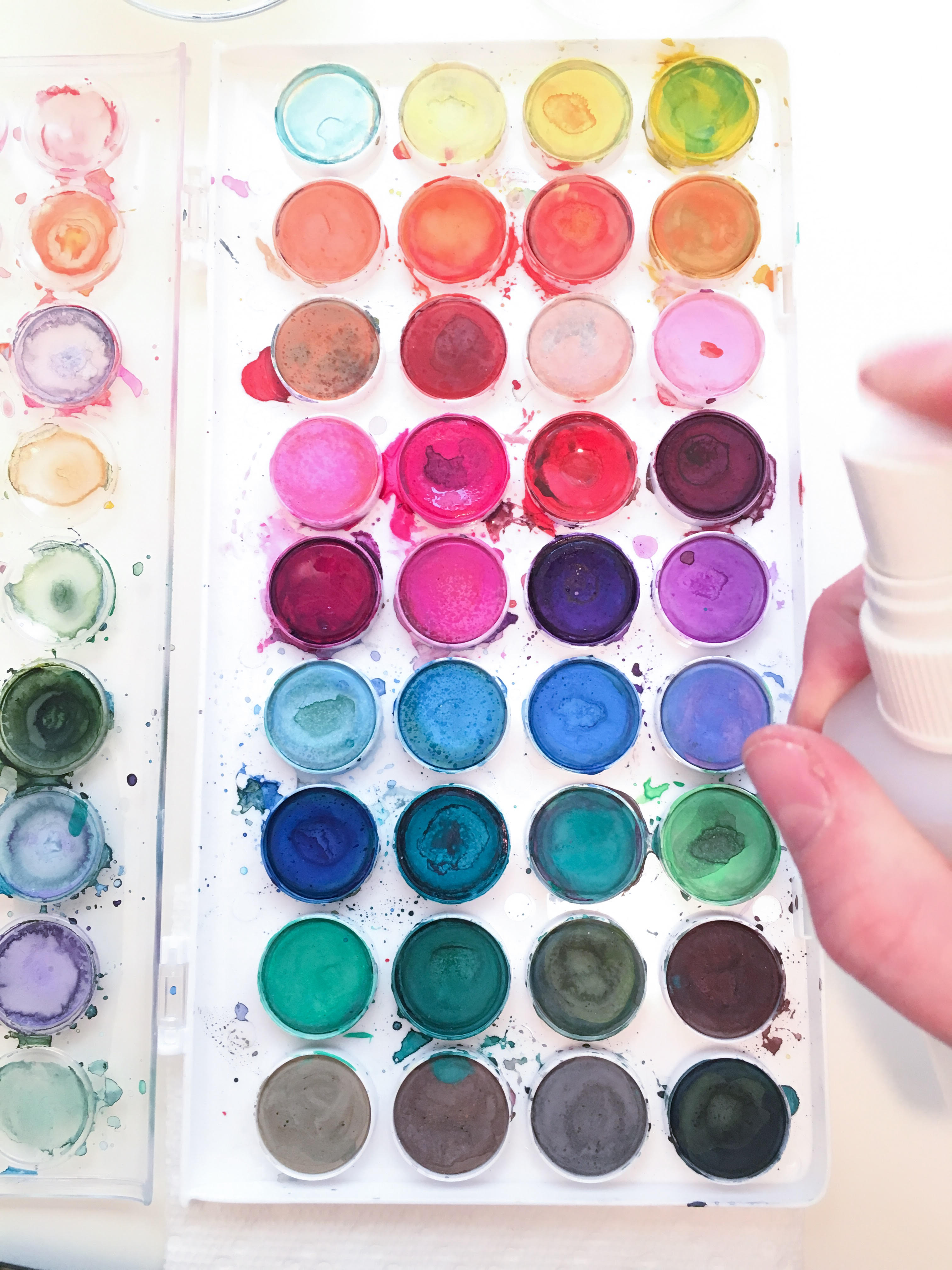
Once you’ve chosen the right watercolor texture paper, you can begin to explore how it impacts your artistic style. Here are some ways to incorporate different textures into your work:
- Layering Techniques: Use multiple layers of paint to build depth and richness on textured paper. The surface will create interesting interactions between layers, enhancing your artwork.
- Experimentation: Don’t be afraid to experiment with different techniques, such as wet-on-wet or dry brush, to see how the texture affects your results. Each method can yield unique effects that can inspire new styles.
- Mood Boards: Create a mood board with samples of different textures and colors to visualize how various combinations can affect your artistic expression.
Engaging with different textures not only enhances your artwork but also encourages growth and exploration in your artistic journey. As you become more familiar with these materials, you’ll develop a deeper understanding of how to best express your creative vision.
Final Thoughts on Watercolor Texture Paper
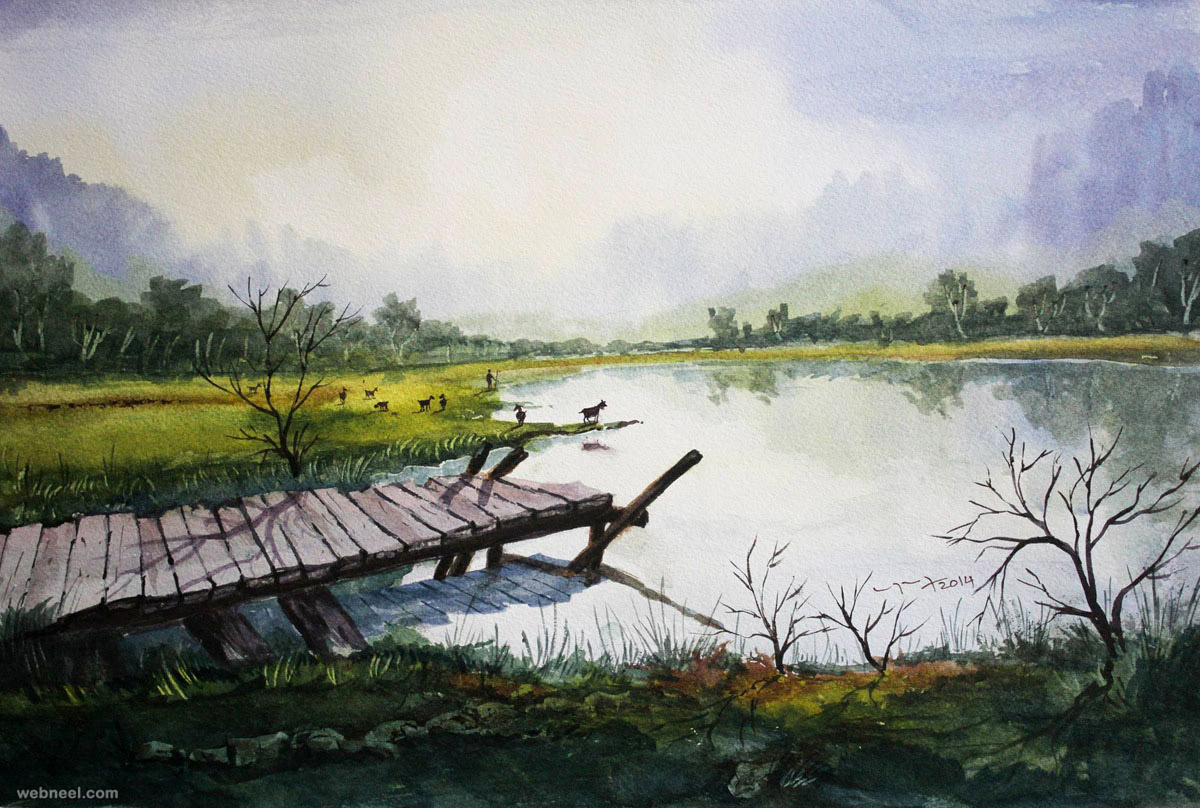
Watercolor texture paper plays a pivotal role in defining your artistic style and expression. By understanding the various textures available and their emotional impacts, you can make more informed decisions that enhance your artwork. Remember, the key to developing your style is experimentation and exploration. Embrace the nuances of watercolor texture paper, and allow it to guide you on your creative journey.